Building muscle after 50 goes way beyond just lifting weights; what you eat makes a major difference. If you’re looking to pack on muscle, especially as age creeps up, what goes on your plate matters as much as your workout routine. Your body reacts to food and nutrients differently as you get older, so being a bit more mindful about your eating habits is key to keeping the gains coming. Here’s my look at the best foods for muscle gain after 50, with extra tips to help smooth the road to success.
Why Your Diet Matters More After 50
As you get older, your muscles naturally start to weaken and break down more quickly, a normal part of aging called sarcopenia. However, your eating habits can make a meaningful impact here. Foods packed with protein, good fats, and colorful veggies help your muscles recover, rebuild, and even grow stronger. Since your body doesn’t process protein as efficiently as it used to, you’ll need a bigger daily dose to stay on top of things. Try aiming for about 1.2 to 2 grams of protein for every kilogram you weigh each day; this habit alone can help you keep more muscle and energy. Adding in high-quality carbs and fats also helps keep your body fueled and muscles ready for action.
When you choose whole foods instead of processed items, you get more of the nutrients you need per bite. More vitamins, minerals, fiber, and even some naturally occurring antioxidants come from whole foods, which work to keep your body strong on all fronts.
Top Protein Sources for Muscle Gain
Protein is the powerhouse when it comes to building muscle. Think about which foods are your staples and how you can mix them into your daily eating. Whether you favor animal-based or plant-based options, you can find plenty of ways to get the protein you need and keep mealtime interesting.
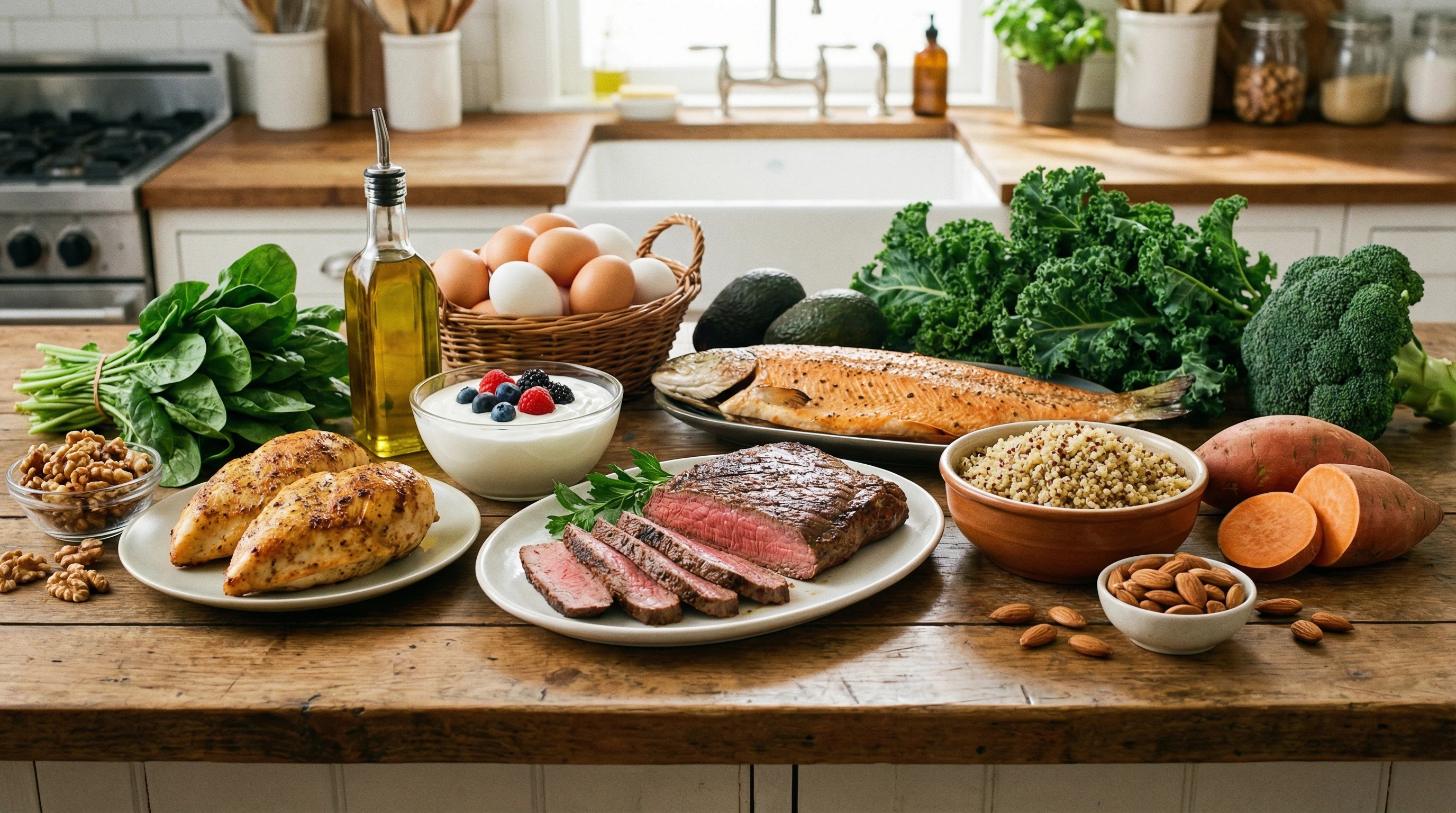
- Lean Meats: Chicken breast, turkey breast, and lean cuts of beef come loaded with protein while cutting down on excess fat. Grilling or baking keeps them healthy and juicy.
- Fatty Fish: Salmon, tuna, and mackerel not only supply plenty of protein but also deliver omega-3s that can help calm inflammation and speed up muscle recovery. Roasting salmon with lemon and herbs makes for an easy, satisfying dinner.
- Eggs: Whole eggs supply all the amino acids your muscles crave, plus vitamins like D and choline. Whether you like them scrambled, poached, or in a veggie omelet, eggs always score high on convenience.
- Dairy: Greek yogurt and cottage cheese stand out as protein-rich and low-sugar options, especially when you stick to plain. They’re awesome snacks, fantastic with fresh fruit, or tasty in smoothies for busy days.
- Plant-Based Protein: Tofu, lentils, black beans, and quinoa are favorites for anyone steering clear of meat or wanting to mix in some variety. Quinoa is quick-cooking and works great in salads or as a nutritious base for grain bowls.
Carbs and Fats That Support Muscle Growth
Carbs sometimes get a bad reputation, but when building muscle after 50, they’re essential for fueling workouts and bouncing back after exercise. Choose carbs that give you lasting energy, and don’t forget healthy fats, which support the hormones that manage muscle growth and strength.
- Complex Carbohydrates: Oats, brown rice, quinoa, and sweet potatoes deliver steady fuel over time, far better than sweets or white bread. Roasting a bunch of sweet potatoes makes meal prep a breeze.
- Healthy Fats: Avocados, nuts, seeds, and olive oil add heart-healthy unsaturated fats, helping with hormone balance and keeping your joints moving smoothly. Try drizzling olive oil on roasted veggies or adding sliced avocado to your salad.
- Omega-3s: Beyond fish, you’ll find omega-3 fats in walnuts, chia seeds, and flaxseeds. Tossing these into your Greek yogurt or smoothie gives an easy healthy fat upgrade.
Nutrient-Rich Vegetables and Why They Matter
Veggies aren’t just about making your plate look good; they provide vital nutrients that support muscle repair, recovery, and hormone function. Cruciferous vegetables like broccoli, kale, Brussels sprouts, and cauliflower are some star choices because of their range of vitamins and minerals. I try to have at least one green or colorful veggie every meal—toss spinach in your eggs or smoothie, or roast some broccoli alongside dinner.
Bright, nonstarchy veggies like bell peppers, tomatoes, and carrots offer vitamin C, antioxidants, and fiber—helping your immune system stay tough while you work toward your goals.
Vitamins, Minerals, and Other Nutritional Boosts
You may not need extra supplements if your meals cover all the basics, but after 50, certain nutrients deserve extra attention.
- B Vitamins and Iron: B vitamins (like B12) help turn food into energy. For those who skip animal foods, tracking your B12 is extra important. Iron helps carry oxygen in your blood, critical for energy and muscle health.
- Vitamin D and Calcium: Both boost bone strength, which works hand in hand with flexible, healthy muscles. Fatty fish and fortified foods deliver vitamin D, while dairy and leafy greens give you plenty of calcium.
- Magnesium and Potassium: These minerals support healthy muscle function and quick recovery. Bananas, beans, and dark leafy greens are smart picks for getting enough of both.
Meal Planning Tips for Muscle Gain After 50
Working these foods into your daily routine is easier if you get a few habits set up. Here are tried-and-true practices I always recommend:
- Prioritize Protein at Every Meal: Don’t save all your protein for dinner—spread it out at breakfast, lunch, and snacks. Your muscles use protein best when it’s spaced through the day.
- Pair Carbs with Protein: Eating protein with a good carb source at each meal helps your body refuel and recover. For example, try chicken and quinoa salads or eggs with whole grain toast.
- Prep Ahead: Cook big batches of chicken, packets of roasted veggies, or containers of chopped fruit. A little planning makes healthy meals faster to put together—especially when life gets busy.
- Stay Hydrated: Muscles need water to do their thing. Carry a water bottle and toss in hydration powerhouses like cucumbers and melons to your meals.
What to Keep in Mind As You Get Older
No single nutrition blueprint works for everyone, so tuning in to how your body feels is super important after 50. Here’s what I always remind people:
- Your protein goals go up with age. If you’re not used to a higher-protein diet, just add a little more to each meal until you reach your target.
- Whole foods generally beat processed snacks. Simple, homemade meals and snacks such as Greek yogurt, fruit, or a handful of nuts are reliable, long-term muscle supporters.
- Spread protein out over the day for better muscle effect—big protein loads all at once are less effective for most people than balanced portions at every meal.
A Few FAQs About Muscle Gain and Nutrition for 50+
Question: How do I know if I’m eating enough protein?
Answer: Target 1.2 to 2 grams per kilogram of body weight per day. If you’re unsure, track your protein for a few days, or check in with a registered dietitian.
Question: Should I use protein powders or shakes?
Answer: Regular food is usually best, but quality shakes are handy for a quick protein boost or on busier days. Pick options with minimal sugar and as few extra ingredients as possible.
Question: Are there foods I should skip after 50?
Answer: No need to ban foods, but dialing back on fried fare, heavily processed choices, and lots of sugar will give your muscles and energy levels a boost.
Wrapping Up
Focusing on lean protein, hearty carbs, healthy fats, and lots of vibrant veggies sets a strong stage for muscle gain after 50. Little actions—spreading out your protein, adding more colorful veggies, prepping good food in advance—make following healthy habits much easier. Every meal and snack is a new shot at supporting your muscles and staying active over the years, so keep it simple and consistent for the best results.