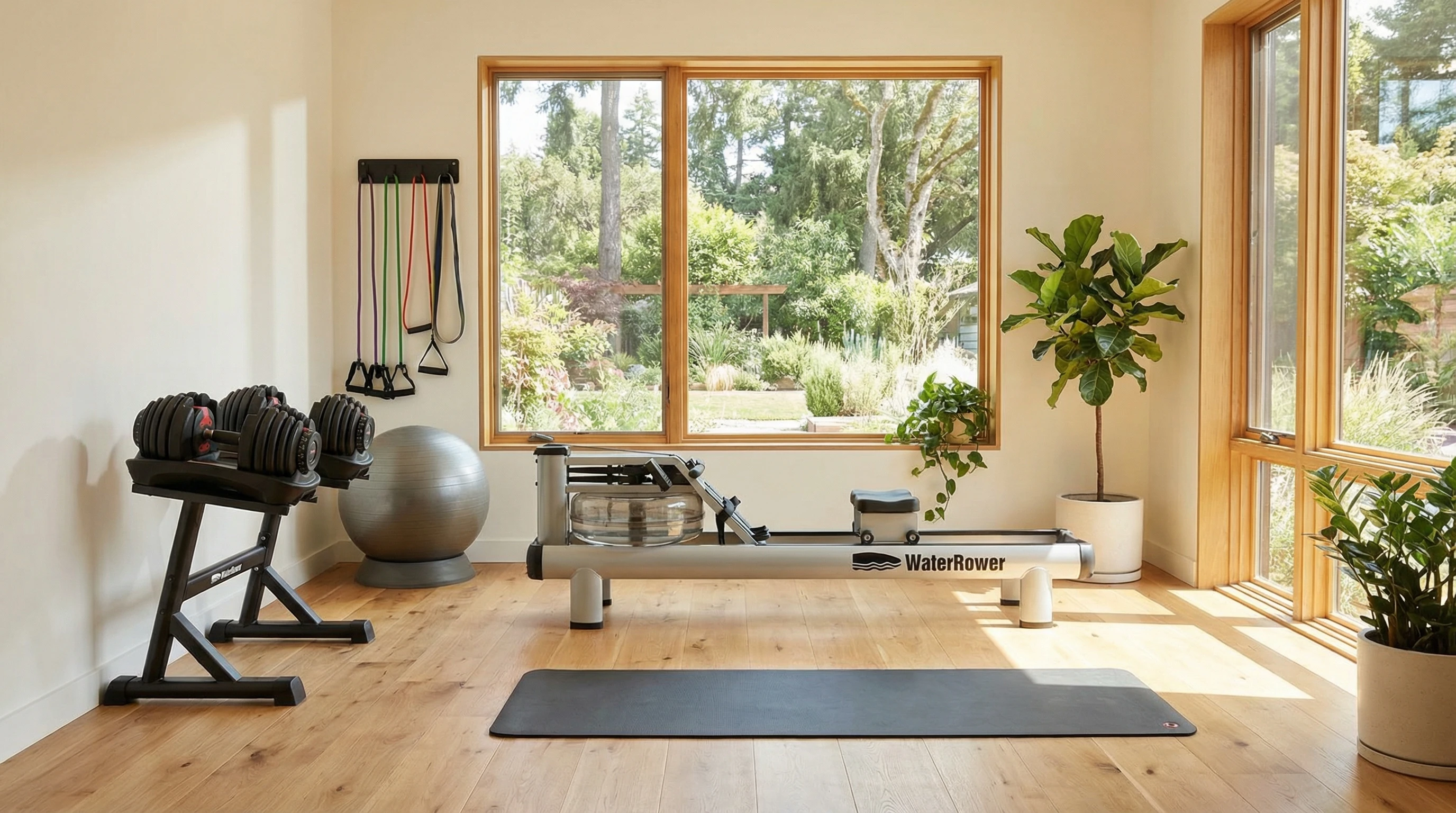
Staying fit gets trickier with age, especially past 50. If you’re like me, you want to keep your strength, balance, and energy up without risking your joints. A good home gym setup makes that possible. No commute, no packed locker rooms, just equipment that fits your needs right at home.
Choosing the best home gym gear for people over 50 is all about picking equipment that supports strength, heart health, flexibility, and balance, while also being easy on the joints. You don’t need a giant gym in the basement or every gadget on the late-night commercials. A few smart choices can cover all the bases for maintaining muscle, staying limber, and keeping your heart healthy.
I’ve put together my favorite types of equipment that I find work really well for men and women in this age group. These picks focus on low-impact exercises, joint care, and long-lasting results, making it easier to stay active and healthy as you age. I’ll also sprinkle in a few extra tips along the way, including alternate recommendations and what to look for when shopping for home gym equipment.
1. Strength & Functional Training Essentials
Building and maintaining strength helps you move better each day, from carrying groceries to handling outdoor chores. Strong muscles also protect against injury and slow down the muscle loss that often happens as we get older. Functional training, which emphasizes exercises you’ll use in everyday life, can make a big difference in how you move and feel.
Resistance Bands
- Why I Like Them: Resistance bands are compact, cheap, lightweight, and versatile. They let you work out nearly every part of your body—arms, chest, back, legs—with less stress on the joints than traditional weights.
- Best For: Gentle strength training, warm-ups, and stretching. Great if you’re new to working out or easing back in after a break.
I keep a set in my living room for quick sessions during TV time and use them for everything from rows to squats. You can get bands with different resistance levels, making it easy to adjust difficulty as you get stronger. Healthline has a good breakdown of band exercises if you want to check out some ideas.
Adjustable Dumbbells and Kettlebells
- Why I Like Them: Adjustable dumbbells and kettlebells save space and money. Instead of a dozen weights cluttering up your floor, you get one pair you can change to suit your workout.
- Best For: Classic strength moves like curls, presses, deadlifts, and goblet squats. Also good for increasing or decreasing weight as your needs change over time.
I’ve found that lighter starting weights with simple adjustments take the intimidation out of weight lifting and let you move up gradually. This is especially helpful if you’re dealing with arthritis or soreness. Adjustable kettlebells work similarly, giving you options for two-handed or single-arm exercises like swings and cleans.
TRX Suspension Trainer
- Why I Like It: The TRX is basically a set of durable straps you anchor to a door or ceiling. You use your body weight for moves like rows, pushups, squats, and core exercises, helping your balance and stability along the way.
- Best For: Full-body workouts, travel-friendly exercise, and building core strength. It’s super joint friendly, too.
The best part for me is how it makes you use stabilizing muscles you might not hit with weights alone. The progressions are easy to control, so you can make the workout as tough or as gentle as needed.
Adjustable Bench
- Why I Like It: An adjustable bench lets you change the angle to target different muscle groups safely. If you’re using dumbbells, this adds a lot of versatility without needing a lot of space.
- Best For: Presses, rows, and even step-ups or seated core moves. Some benches include add-on attachments for extra utility.
If you want a bench, look for sturdy construction and easy adjustments. A padded option adds more comfort during longer workouts. An adjustable bench can even replace a step for low-impact step-up moves.
2. Cardio and Endurance Without Joint Pain
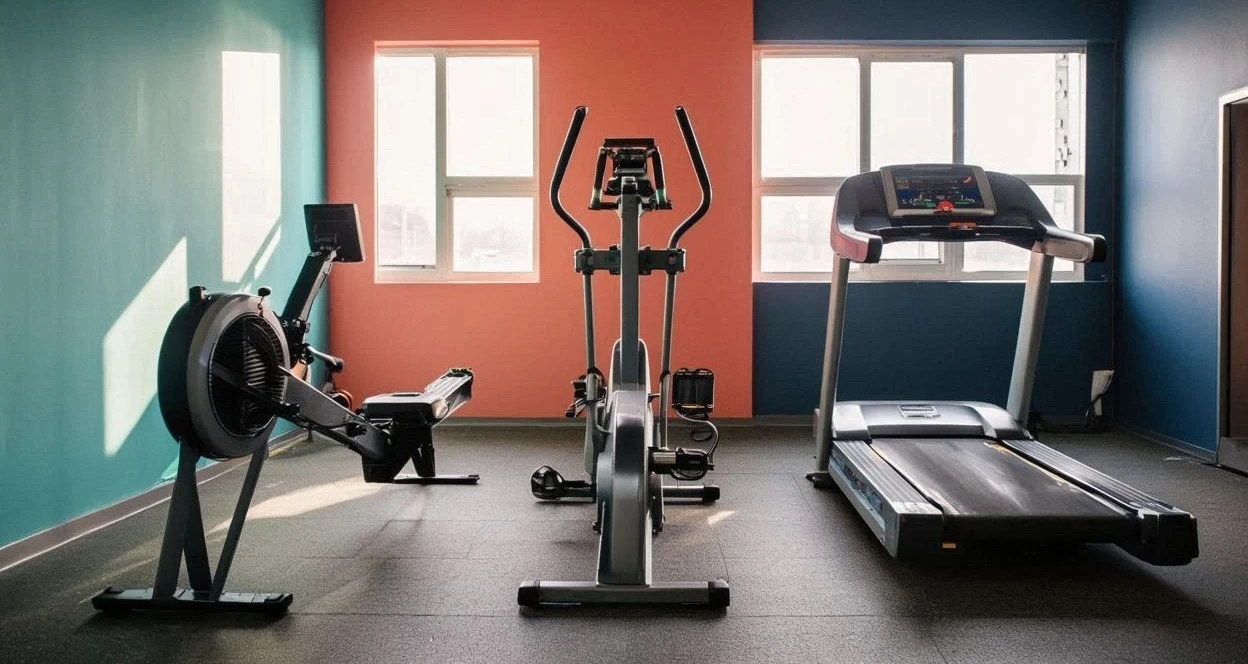
Cardio is key for heart health in your 50s and beyond, but pounding the pavement isn’t always so easy on the knees. Here are my favorite ways to get the heart rate up without putting extra strain on your joints. These options let you fit in exercise no matter the weather or time of day.
Rowing Machine
- Why I Like It: A rowing machine uses your legs, core, arms, and back with every stroke, making it a solid, low-impact full-body cardio workout.
- Best For: Building endurance and muscle at the same time. Rowers are great for interval style workouts or easy steady-state sessions.
Rowers don’t take up much room and fold away in some cases. If you haven’t tried one, the smooth motion is easy on knees and hips compared to running. If noise is a concern, look for a magnetic resistance rower for a quieter experience.
Elliptical
- Why I Like It: Ellipticals use a gliding motion that skips the jarring impact of running. Some models have moving handles, which help work your upper body, too.
- Best For: Cardiovascular fitness when knees or hips are cranky, or if you want to listen to a podcast or watch a show while you work out.
I find I can get a solid sweat going without the aches and pains that come with high-impact cardio. Ellipticals also feel much safer if you’re worried about tripping or balance. Many compact models fit easily into smaller home gyms now.
Stationary Bike (Recumbent Option)
- Why I Like It: A stationary bike is a classic for good reason. The recumbent style gives added back support and an even gentler ride for the knees, great for longer sessions.
- Best For: Low-impact, heart-healthy workouts with lots of comfort, especially if you have back or balance concerns.
I often tell friends with arthritis or knee pain to try a recumbent bike for cardio at home. Upright bikes also provide a great workout, so try different styles at the store to see what feels most comfortable for you. The key is to keep moving pain-free.
Bonus Cardio Pick: A compact treadmill with a good cushion can also be a solid choice. Just be mindful of your joints—stay at a brisk walking pace and use the incline to up the challenge instead of always increasing speed.
3. Balance & Mobility Tools
Good balance and flexibility are essential for staying steady and mobile as you age, making daily activities easier and reducing the risk of falls. These tools help you work on core strength, range of motion, and overall confidence in movement.
Stability Ball (Swiss Ball)
- Why I Like It: A stability ball lets you work your core during exercises like sit-ups, bridges, and planks, while improving your balance and posture at the same time.
- Best For: Gentle stretching, balance training, and core workouts. You can even swap your office chair for one during part of the day for a mini core workout.
I keep one around for quick stretches or to add some variety when standard floor exercises get boring. They’re simple to store and come in different sizes, so choose one that lets you sit with your knees at a right angle.
Yoga Mat & Foam Roller
- Why I Like Them: A quality yoga mat works for stretching, Pilates, yoga flows, and core work in comfort. A foam roller helps massage tight muscles and keeps you flexible.
- Best For: Cool-downs, recovery, and daily stretching. Yoga mats support joints on hard floors, while foam rollers can release soreness and stiffness.
Don’t overlook flexibility when you’re building a home gym. Spending just ten minutes a few times a week on a mat or foam roller keeps your muscles feeling good. If you’re new to foam rolling, search for some basic tutorials to avoid overdoing it.
Balance Board
- Why I Like It: Balance boards challenge your center of gravity, working your ankles and legs in a way that helps prevent falls.
- Best For: Improving coordination and stability, especially if you’re feeling a bit less steady as you get older.
Start slow—use a wall or sturdy chair for support, if needed. Just a few minutes per day builds confidence and makes you less likely to lose your balance doing things around the house.
4. Tips for Setting Up a Home Gym
- Prioritize Joint Comfort: Look for equipment with padded grips, cushioned surfaces, and low-impact movement.
- Pick Versatile Gear: Adjustable weights and resistance bands adapt as your strength changes. You can make workouts easier or tougher as needed.
- Focus on Everyday Movements: Exercises that help with lifting, bending, and balance pay off in daily life. Squats, rows, and balance work make a difference.
- Leave Space for Recovery: Make room for stretching, yoga, or just a spot for your foam roller.
- Buy Quality, Not Quantity: Well made, multi-use equipment holds up longer and gives you more bang for your buck.
Every home gym is a little different, but the right mix of strength, cardio, and mobility tools helps you stay fit and independent well into your 50s, 60s, and beyond. Thoughtful research helps buyers make smart decisions. If you’re dealing with medical conditions or injuries and aren’t sure about certain movements, check with your doctor before trying something new.
Final Thoughts
Setting up a home gym for older adults is about more than just working out. It’s about moving well, staying strong, and keeping your energy up for whatever life brings. Focusing on low-impact, versatile equipment makes it easier to stick with good habits and feel your best every day. Try swapping out one old-school move for something gentler on your joints or add a balance tool to your routine, and you’ll appreciate the positive changes in the long run. Stay consistent, make adjustments as you go, and celebrate the progress—no matter where you’re starting from.