Customizing your fitness routine as you move through different stages of life matters more than most people expect. The way my body responded to workouts at 22 is totally different from how it behaves at 52, so switching up your approach with age feels pretty logical. I’m going to break down some realistic ways you can keep moving strong, no matter what birthday is coming up next.
Why Adjust Fitness As You Age?
Getting older usually comes with changes like slower recovery, more noticeable aches, or maybe a few creaky joints. Instead of pushing through the same intense routines, I’ve found it smarter to adapt my workouts. Low impact cardio, strength exercises, and a good dose of balance work keep your body healthy and reduce the chance of injury.
Muscle naturally starts to shrink and weaken over time, and bones can lose density. Joint health and flexibility also tend to take a hit. That’s where a customized plan steps in. One that’s built around your current needs instead of a one size fits all approach.
Fitness Tips for Young Adults (18-35)
This is the stage where you can build solid habits and even push your limits a bit. I took advantage of this time to try out everything: running, swimming, weightlifting, and some wild classes like kickboxing. If your body feels up for it, cross-training does wonders for both fitness and motivation.
- Strength Training: Adding these sessions a couple times a week lays down muscle that comes in handy later. Free weights, machines, or good old pushups work well.
- Diverse Cardio: Mix things up, cycling, HIIT, swimming. It keeps things fun and hits all parts of your body.
- Flexibility: Yoga or simple stretching can reduce tightness and prevent problems down the road.
For anyone just starting out, bodyweight moves are perfect (think squats, lunges, planks). It doesn’t matter if you’re not lifting big weights. Consistency is what helps you stick with it long term.
Key Adjustments For Middle Age (40s+)
When I hit my 40s, I noticed I needed a bit more intention behind my workouts. My knees started grumbling if I overdid the running, and heavy lifts needed better form focus. Here’s what has worked really well:
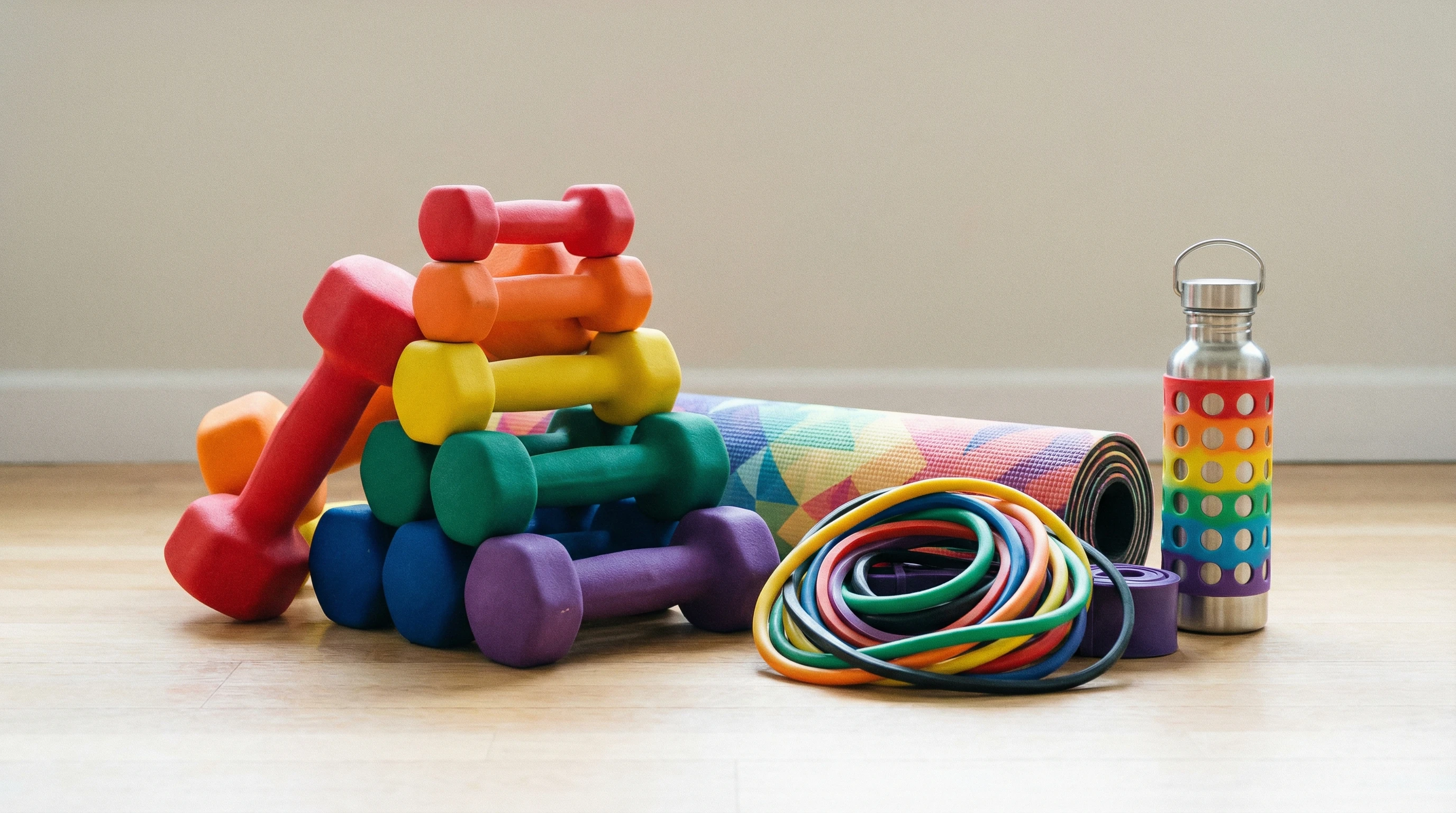
- Strength Work: I use resistance bands, dumbbells, or stick to bodyweight circuits. Keeping up with muscle strength assists with everyday life. Being able to carry groceries or pop up from the floor without trouble. Studies even show it helps maintain healthy bone density and lowers the risk of osteoporosis (Harvard Health Publishing).
- Cardio: A mix goes a long way. I might go on a brisk walk, ride my bike, or do some swimming. Alternating between higher and lower impact activities (like treadmill one time, indoor cycling the next) can keep your joints happy.
- Balance: Balance and flexibility take center stage. Single leg exercises, Tai Chi, and yoga make you more stable on your feet, especially important for fall prevention. If you haven’t tried a balance disc, they’re surprisingly useful.
It’s smart to choose movements that match how you want to live. Climbing stairs without getting winded or kneeling down for gardening without pain matters more as time goes on. Small changes to routines can make daily life a lot easier.
Low Impact Moves For Longevity
Low impact activities allow you to move comfortably, keeping joints from taking a beating. They don’t require intense jumping, pounding, or odd angles, so you’re less likely to deal with nagging pain or big injuries. My top picks:
- Cycling: Indoors or outside, this workout can be as relaxed or as tough as you want, and it doesn’t bother the knees much.
- Swimming & Water Aerobics: Water takes stress off joints while still working every muscle group. Perfect if you’ve got arthritis or just want something gentle.
- Yoga: Besides flexibility, yoga sneaks in some sneaky strength work and is awesome for mental focus too.
Choosing a couple of these options to rotate throughout the week can help you stay active for a lifetime. You can tailor the effort to match daily energy levels, which is perfect for anyone dealing with old injuries or just not feeling 100% all the time.
Universal Fitness Principles For Every Age
I’ve noticed that a few simple strategies work no matter how old you are. They’re the background music to any solid routine.
- Start Gradually: Avoid going all out on day one. Beginners and comeback stories benefit most from taking it slow and building up confidence and stamina.
- Body Awareness: Some muscle soreness is normal, but sharp or lasting pain is your body waving a red flag. Know the difference and rest when your body asks for it.
- Consistency Wins: Even short daily movement adds up. What matters is making it repeatable and realistic. I aim for 3-5 workouts a week, but even a daily 15 minute session works if that’s what fits.
- Hydration & Nutrition: Drinking plenty of water and eating balanced meals power your workouts and speed up recovery. Skipping these habits can leave you feeling run down or sluggish.
- Mix It Up: Routines that work in a little variety, switching between cardio, strength, balance, and flexibility, are more interesting and target your health from every angle.
Things To Remember Before Getting Into It
I’ve learned that a bit of planning helps with sticking to a new or adapted routine. Here are a few points that come up over and over for people in every age group:
- Listen to the Signals: If you haven’t moved much lately, begin with bodyweight moves, light resistance, or even chair based exercises until confidence grows.
- Check With Your Healthcare Provider: Especially if you take medications or have chronic issues (heart, arthritis, diabetes). It doesn’t hurt to run your plan by the experts.
- Invest in Good Shoes: Joint health often starts with footwear, especially for walking or running. Don’t skimp!
- Work With a Coach or Trainer: If possible, even a few sessions can set you up with the right form and habits. It’s a game changer for progress and staying injury free.
Common Sticking Points
Starting out or switching up routines can bring some challenges. The most common ones I see or hear about include:
- Lack of Motivation: Set small, realistic goals each week and track progress. Celebrate getting out the door or finishing your plan, even if it’s not perfect.
- Plateaus: Change up your exercises every few weeks, try a new activity, or use different equipment to keep things fresh and exciting.
- Time Management: Short, focused sessions (even just 10-20 minutes) still pack a punch if you can’t fit in longer workouts. Sometimes multitasking—like walking while listening to an audiobook—can keep you on the move.
Real Life Applications Of Customized Fitness
People of all ages can benefit from building a routine around their stage of life. Here are some ways to make adjustments work for you:
- Young Adults: A mix of HIIT, strength building, and sports keeps fitness fun and covers all the bases for muscle growth and cardiovascular health. Group fitness classes or outdoor games can also be a great way to meet new people while staying active.
- Midlife: Prioritizing flexibility, joint health, and muscle preservation makes everyday life less of a chore. Think carrying kids, yard work, or hiking with friends. Consider adding Pilates for core strength and stability too.
- Older Adults: Group classes like water aerobics, light resistance bands, and regular walks get blood flowing and improve mood. Balance routines (yoga, Tai Chi) help people stay independent and cut down on falls. Gardening and light dancing are also enjoyable ways to sneak in movement.
Customizing routines to match your interests makes it much easier to stay consistent and get the most out of your efforts.
Frequently Asked Questions
Here are a few questions that pop up from people of all ages when trying to update their fitness routines:
Question: Do I need different exercises as I age?
Answer: While you don’t need to throw out everything old, you’ll want to update your approach. Swap high impact moves for joint friendly options, add in more strength and balance work, and make changes as your body says so.
Question: Isn’t walking enough as you get older?
Answer: Walking is fantastic, but it’s even better when combined with some strength, balance, and flexibility work. That mix gives your muscles, bones, and joints all the benefits they need.
Question: How soon will I see results from an age adapted routine?
Answer: Many people notice more energy and flexibility in just a couple of weeks, with muscle and strength gains building over the first couple of months. Staying consistent is probably the best strategy for seeing progress over time.
Final Takeaway
Building a fitness routine that grows and changes with you can help you move better, feel stronger, and keep up with life at every milestone. By making small adaptations and focusing on balance, strength, and joint care, staying active can feel realistic and flexible year after year. There’s no perfect formula, just adjustments that suit your needs. Whether it’s adding an extra walk, switching up your strength days, or simply learning how your body responds, fitness at any age can be a rewarding adventure. Keep things light, listen to your body, and enjoy the ride.