If you’re over 50 and looking to stay active, learning how to exercise with proper form is one of the best things you can do for your health and safety. Picking up new routines, trying group classes, or just getting back into regular walking—whatever your activity, using good form is going to help you avoid injuries and keep your body in the game for longer. I’m sharing my favorite tips below to help you move confidently and injury-free, no matter where you are on your fitness adventure.
 Why Proper Form Matters for Injury Prevention
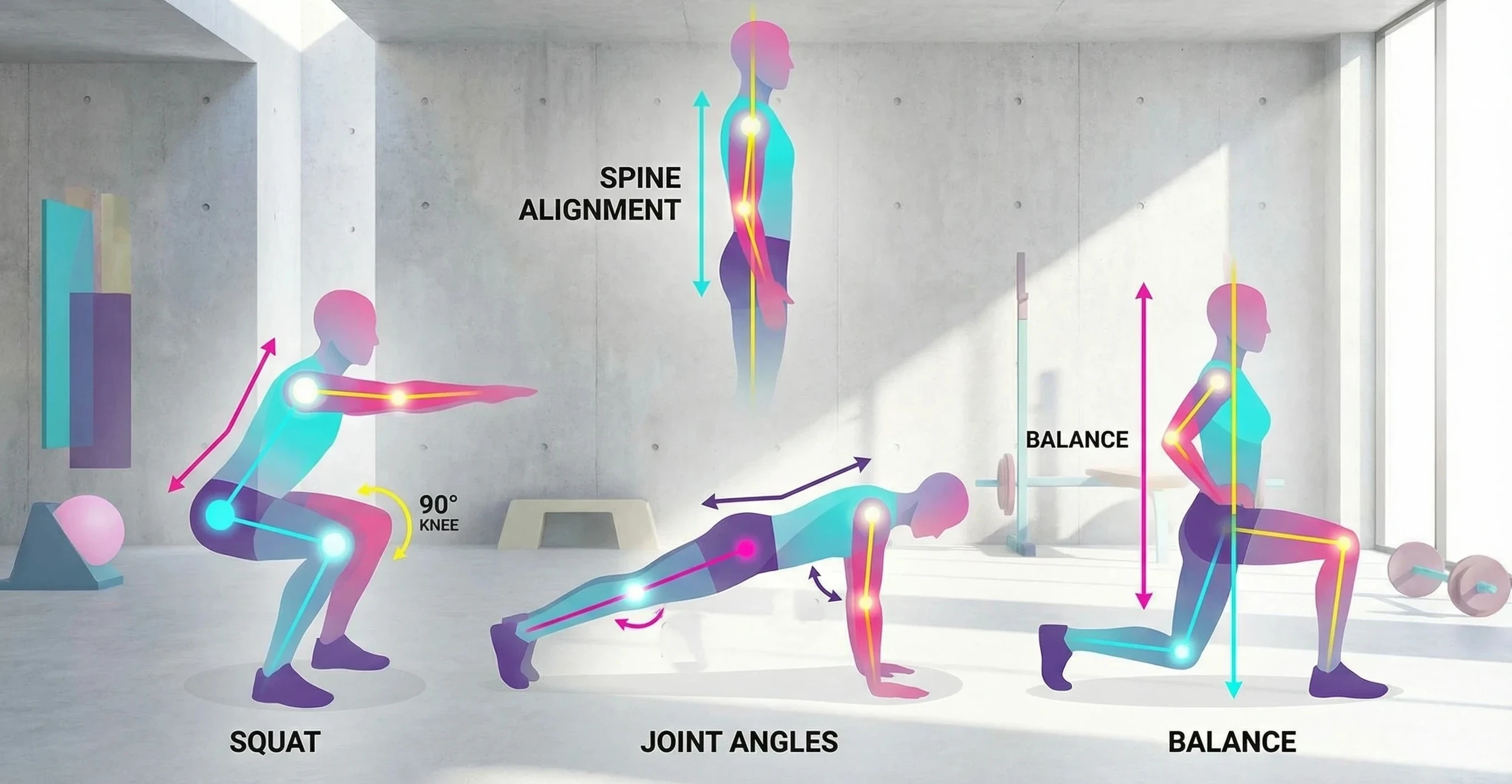
Good form basically means moving your body in a way that’s safe and efficient for your bones, joints, and muscles. When you move correctly, you lower stress on your back, knees, hips, and shoulders. This can be super important as we age, because things like muscle loss, arthritis, or even osteoporosis can start to play a bigger role. I’ve seen too many folks skip warming up or do an exercise just to get it done, only to tweak a knee or end up with sore shoulders for weeks.
Being mindful about technique might slow you down at first, but it lets you build strength, flexibility, and endurance without pain. It also means you’ll spend less time benched with annoying injuries and more time doing what you love. Simple tweaks, like keeping your chest up during squats or setting your shoulders before lifting a weight, make a big difference in helping you stay in top form.
Five Guidelines to Help Prevent Injuries With Proper Form
Over the years, I’ve noticed the same form mistakes come up again and again, especially with my friends and clients over 50. Here are the five guidelines I always follow to help keep workouts safe and smart:
- Warm Up Before You Move: Start with 5-10 minutes of easy movement. Gentle walking, easy cycling, or basic dynamic stretches (like arm circles and leg swings) help blood flow, loosen up joints, and prepare your muscles for work.
- Focus on Controlled Movement: Slow, controlled reps help you “feel” each motion, making it easier to spot and fix mistakes. Letting momentum take over, especially with weights, can strain sensitive joints.
- Engage Your Core During Most Activities: Your abdominal muscles—your “core”—act as your body’s natural brace. Keeping the core engaged protects your back and makes nearly every movement easier on your joints.
- Use Proper Range of Motion: Move through a safe, natural range for your body. For some people, this means not squatting as deep or skipping overhead lifts. Listen to your body and don’t force movements that feel awkward.
- Don’t Forget to Cool Down and Stretch: Taking 5-10 minutes to gently stretch and slow your heart rate helps your body recover, reduces soreness, and keeps muscles from getting tight and stiff.
Breaking Down the Basics: How Does Proper Form Prevent Injury?
When you use the right form, your muscles work together the way they’re supposed to. This teamwork keeps your joints stable and absorbs load where your body is strongest—usually in the bigger muscles, not the smaller, weaker ones. Proper technique also makes sure your spine stays supported, so your back doesn’t bear all the stress.
For example, when doing a lunge, keeping your front knee lined up over your ankle (instead of letting it push forward) takes tension off your knee joint and shifts the effort to your glutes and hamstrings. Doing a bicep curl with your upper arm pressed against your torso, instead of swinging the weight, lets your elbow do the work rather than straining your shoulder.
Form matters even more as you get older. Over time, little injuries can pile up, and our bodies just don’t bounce back as fast. Taking the time to move well now pays off with fewer aches and better results down the line.
Running With Good Form: Tips for the 50+ Crowd
Running is great for your heart, but it’s a high-impact activity that needs good technique, especially as you get older. Bad running form usually leads to knee, hip, or back pain. Here’s what I focus on when I jog:
- Keep Your Stride Short: Don’t overreach with your steps; land with your foot under your hip, not way out in front. This reduces joint stress and keeps you running lighter.
- Maintain Upright Posture: Stand tall, with your chest up, shoulders relaxed, and ears matched up with your shoulders and hips. Avoid slouching or staring at your feet.
- Land Midfoot: Let the middle part of your foot strike the ground first, not your heel. This softens impact and helps your balance.
- Relax Your Arms and Hands: Keep your hands in a gentle fist (not clenched tight) and swing your arms naturally by your sides. Over-tensing your arms can use up your energy faster.
- Use Proper Footwear: Shoes with good support and a comfortable fit really matter. The wrong footwear can throw off your stride and make you ache.
Practical Ways to Prevent Injury—At Any Age
While proper form is the main tool, there are other habits I always keep in mind (and share with everyone over 50) for a safer, more enjoyable fitness routine. Here are five effective tips I keep in my back pocket:
- Start Slow and Progress Gradually: Even if you were active in your 30s, your body now benefits from a slow and steady ramp-up. Add new exercises or increase weight and intensity little by little.
- Listen to Your Body: That mild ache in your knee or persistent shoulder twinge might be a sign to rest, try a different activity, or rethink your form. Don’t push through pain just to finish a session.
- Stay Hydrated and Nourished: Muscles and joints need enough water and nutrients to repair and recover. I always keep a water bottle handy and make protein part of every meal.
- Strength Train Regularly: Resistance training boosts muscle and helps stabilize joints, making falls and injuries less likely. Focus on major muscle groups and balance moves for real-life strength.
- Get Expert Input When Needed: If you’re unsure about your form, working with a trainer for even one or two sessions can save you from months of bad habits (and pain!).
Common Pitfalls to Watch For—Especially After 50
Even with good intentions, small mistakes can add up to trouble, so I’m always watching for these form traps:
- Letting the Knees Collapse Inward: During squats, lunges, or steps, notice if your knees drift toward each other. This increases risk for knee injuries; keep them lined up with your toes instead.
- Arching or Rounding the Back: Whether you’re picking something up at home or doing a deadlift at the gym, keep your back straight and your core braced to protect your spine.
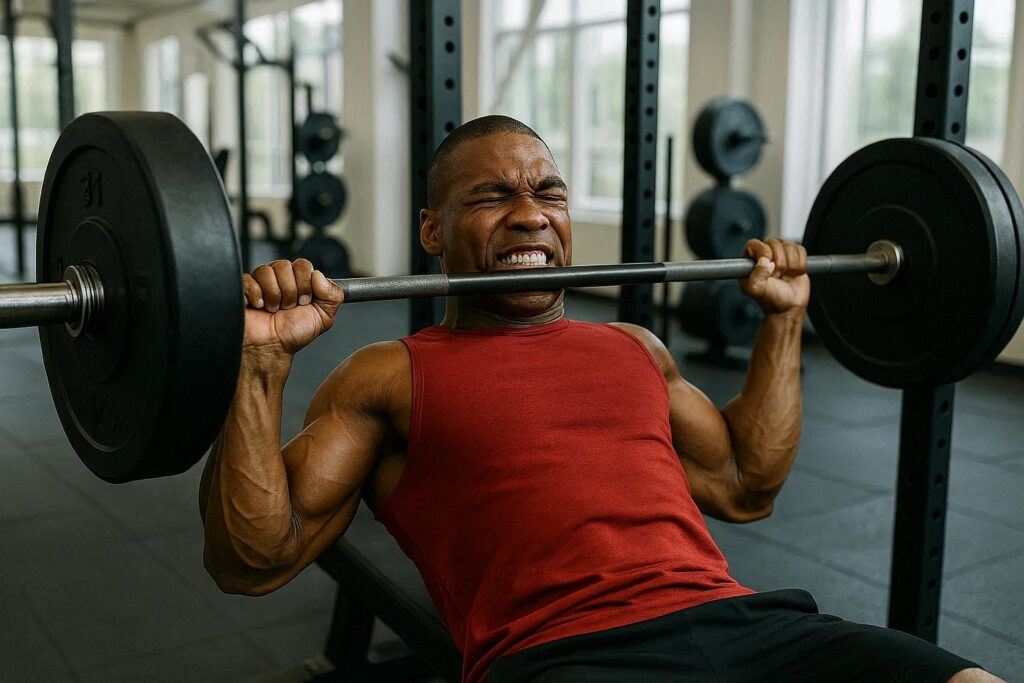
- Using Too Much Weight: I see this a lot. Lifting too heavy and losing form just to “keep up” is risky. Use a weight that challenges you, but never makes your form break down.
- Skipping Warmups or Cooldowns: Rushing through sessions and skipping these steps leaves your muscles and joints less prepared, opening the door to strains and sprains.
Trusted Resources for Learning Proper Form
If you want more super detailed form coaching or need visual demos, plenty of trustworthy resources are out there:
- American Council on Exercise (ACE Fitness) has easy-to-follow video tutorials.
- Mayo Clinic’s Fitness Basics covers all the important movements clearly.
- Local community centers and gyms often offer “form check” workshops or classes designed specifically for older adults.
Another good tip: Look for instructional videos made just for folks over 50, as these often highlight joint-friendly modifications.
Frequently Asked Questions
How can proper form help me stay active as I age?
Using good form reduces your risk of falling, straining joints, or causing overuse injuries, so you can stay active, independent, and confident much longer.
What are the five best ways to prevent injuries when exercising over 50?
Warm up, move with control, keep your core strong, never skip stretching, and progress at your own steady pace. It’s also wise to check in with a health professional before starting if you’re new to regular activity.
Are certain exercises safer than others as I get older?
Low-impact activities like swimming, cycling, strength training, and walking tend to be easier on the joints. Always focus on form rather than speed or heavy weights.
Can I learn proper form on my own?
Many people do, using video guides and mirrors. But a session or two with a certified trainer, especially one familiar with older adults, can be hugely helpful for personalized advice.
Staying Safe and Strong Over 50
Prioritizing proper exercise form is one of the smartest things you can do to stay healthy and active as you get older. Take your time, keep learning, and make small changes that support your joints and muscles every day. Safe movement today means more adventures, hikes, or dance sessions tomorrow. I’m all for that!