
Finding the right strength training routine after age 50 can make a big difference in energy, mobility, and all-around well-being. The best part is, you don’t need marathon sessions at the gym to see real benefits. With the right approach—especially when it comes to frequency and recovery—people over 50 can get results and keep things safe and doable. Here’s a breakdown of how often to lift weights, how much to do, and why it all matters for your health, inside and out.
Why Strength Training Matters After 50
Once you hit your fifties, your muscle mass naturally starts to dip and bones lose density faster than before. That’s not exactly great news for things like balance, mobility, and independence. Regular strength training, though, can help slow or even reverse some of these changes. It helps protect bone health, boosts metabolism, and makes daily activities—like carrying groceries or getting off the floor—so much easier (CDC). You’ll also notice a mood boost and sharper mind as you stay active, which is always a plus.
According to Everyday Health and the NIH, resistance training supports joints, improves posture, and helps keep extra weight in check. The result? More freedom to do what you love—even if that just means taking the stairs or playing with grandkids without feeling wiped out afterward.
What’s the Ideal Strength Training Frequency for Men and Women Over 50?
The sweet spot for most men and women over 50 is about two to three days of strength training each week, with rest days in between. Spreading your workouts out, like following a Monday, Wednesday, Friday plan, gives muscles enough time to recover; this is an important step for making progress and avoiding injury.
Training once per week can still offer benefits for beginners, especially if you’re just getting started or returning after a long break. Over time, you can bump up to two or three sessions weekly as you get stronger and more confident.
- Frequency: 2–3 non-consecutive days each week
- Beginner option: 1 time weekly if you’re easing in or need extra time for recovery
- Recovery window: 48 hours between working the same muscle groups
Key Elements of an Over-50 Strength Training Routine
To get the most out of each session, focus on quality, not just quantity. You don’t have to rack up hours in the gym. Here’s how to keep your sessions effective and safe, so you see real improvements that matter:
- Major muscle groups: Target your legs, hips, back, abs, chest, shoulders, and arms.
- 1–3 sets per exercise: Start with 1 or 2 sets and progress to 2 or 3 as you build strength.
- 8–15 repetitions: Choose a weight where reps are challenging but good form stays strong. The last 2–3 reps should feel tough but manageable.
- Rest between sets: Take 30-60 seconds to catch your breath and refocus.
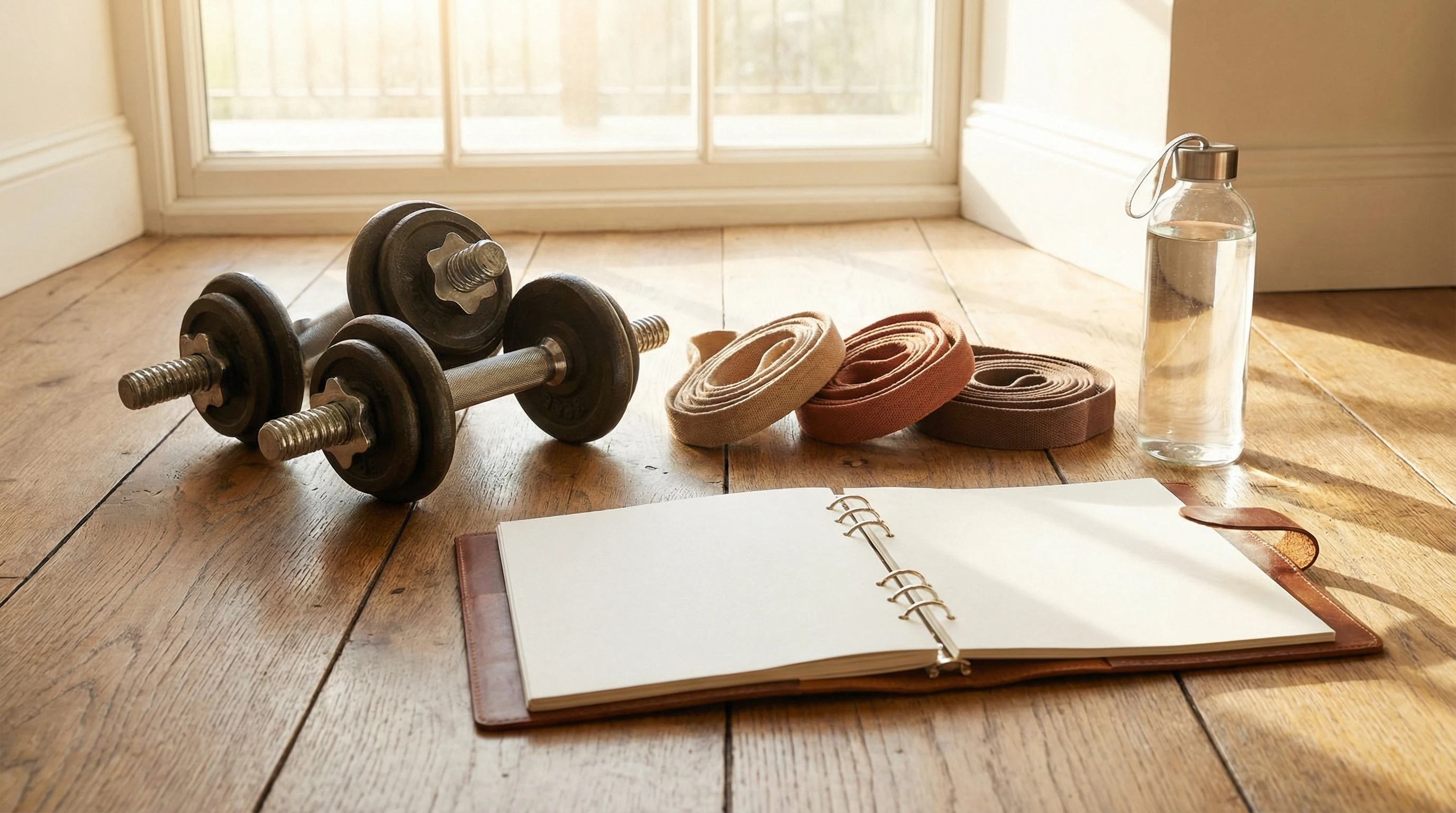
- Simple equipment: Bodyweight exercises, resistance bands, or light free weights are great starting points and work just as well at home.
Your diet matters, too. As Scripps AMG points out, eating enough good quality protein helps your body build and repair muscle. Try to spread your protein throughout the day—think eggs in the morning, yogurt or nuts midday, and lean chicken or beans for your evening meal.
Simple Strength Training Sample Routine
Here’s a basic routine you can use at home or at the gym. It’s designed for men and women over 50 to cover all the major muscle groups with doable exercises.
- Bodyweight squats or chair stands
- Wall or countertop pushups
- Seated or standing rows using resistance bands
- Seated overhead presses (dumbbells or bands)
- Step-ups onto a sturdy bench or stair
- Standing heel raises
- Dead bugs or gentle planks for core strength
Start with one set of each, 10–15 reps, and take it slow. Gradually add a second (then third) set over time as your strength and stamina build up.
How to Tell if You’re Training at the Right Level
You’ll know you’re picking the right weight or resistance band if you can just barely finish the last two or three repetitions with good form. If you breeze through all your reps without much effort, go for a slightly heavier weight or a stronger band next time. If you notice any strain or your form slips, reduce the weight or do fewer reps until your strength grows.
Your goal should be to feel worked—never wrecked. Mild soreness is normal, but sharp pain isn’t. Always listen to your body and adjust. Using a notebook or simple fitness tracker to log your exercises, weights, reps, and how you feel helps you see progress and stay motivated.
For those who want variety, you might rotate through different exercises every few weeks to keep both your body and mind engaged. Try new moves or switch out equipment occasionally. This can help you mix in some variety and keep workouts feeling fresh.
Why Recovery is So Important (Especially After 50)
Recovery isn’t only about avoiding soreness. Muscles actually gain strength during those days between workouts. Giving yourself at least 48 hours before hitting the same muscle group again helps prevent burnout, so you keep making progress without setbacks.
Getting enough sleep matters just as much as lifting, as does drinking plenty of water and eating well. On your rest days, gentle walking, stretching, or light activities like yoga help with blood flow and keep joints comfortable. A good balance between work and rest is vital for steady improvement.
Common Roadblocks and How to Find Your Way Through
Staying motivated and consistent can be tricky after 50, especially when building new habits. Here are some pointers that help keep the rhythm going:
- Start slow: Don’t overdo it at the beginning. One session a week is a fine place to start if more feels overwhelming.
- Set realistic goals: Focus on what matters most, like carrying laundry with less back pain or climbing stairs more easily.
- Mix in some variety: Try new moves or different routines from time to time.
- Find a workout buddy: Exercising with a friend, group, or even an online community boosts accountability and fun.
- Track what you do: Celebrate small wins—like adding a rep, going up in weight, or simply feeling more energized.
Sticking with a plan is easier when it feels meaningful and manageable. Take it one day at a time, and remember: progress beats perfection.
Tips for Safety and Getting Started
The best routine is one you’ll stick with. Before jumping in—or if you have osteoporosis, arthritis, heart conditions, or other medical concerns—check in with your doctor or a physical therapist for advice that fits your needs. They can suggest modifications if you have knee or back pain and make sure exercises are as safe as possible for your situation.
- Chairs or benches can help with balance during squats or step-ups.
- Warm up for five minutes with gentle marches, arm circles, or side steps before every session.
- Use slow, controlled movements; there’s no need to rush.
Bodyweight or Weights?
Bodyweight moves (like squats or wall pushups) and resistance bands are easy on joints and great for learning proper form. As you get comfortable, adding dumbbells or trying gym machines can add challenge and boost results, giving you more ways to enjoy your sessions.
When to Increase Sessions
If your routine starts to feel too easy and you aren’t tired or a little sore afterward, gently add more sets or another session to keep growing stronger. Most experts say that training more than three days a week usually doesn’t add benefit as rest and recovery matter a lot for older adults.
Frequently Asked Questions
Here are some questions I hear often about strength training after 50:
How necessary is it to work every muscle group each session?
Generally, doing one move per muscle group in each session is best for balance and lowering injury risk. Full-body routines are efficient and let you keep tabs on your progress.
Do I need to go to a gym, or can I do this at home?
Absolutely, training at home with bands and hand weights gets the job done. The most important thing is staying consistent and keeping the exercises challenging as you improve.
What if I have arthritis or back pain?
Many strength moves can help support joints and reduce pain over time. Use gentle variations and check in with a healthcare provider or experienced trainer for special tips if you need them.
How much protein do I need to support muscle growth?
Adults over 50 are generally advised to get at least 1–1.2 grams of protein per kilogram of body weight per day. Make sure to spread protein evenly at each meal for maximum benefit.
Getting Started: Takeaways for Strength Training Over 50
Building muscle and energy after 50 doesn’t need a complicated plan. Sticking with two to three strength sessions weekly—leaving 48 hours of recovery between—gives your muscles what they need to get stronger. Focus on full-body moves, keep things challenging but safe, and listen to your body. If you’re new or manage health conditions, seeing a doctor or trainer helps you stay safe and motivated. Stay consistent, and you’ll notice everyday life getting easier—with a bonus boost of confidence and independence along the way. Remember, it’s about progress that fits your rhythm, not perfection.