
Strength training takes on a different feel after 50, but it’s far from out of reach. With the right routines, any guy can build muscle, stay lean, and keep energy levels up well into his 50s and beyond. The key is sticking to compound moves, focusing on good form, and using routines built with recovery in mind—not just brute force.
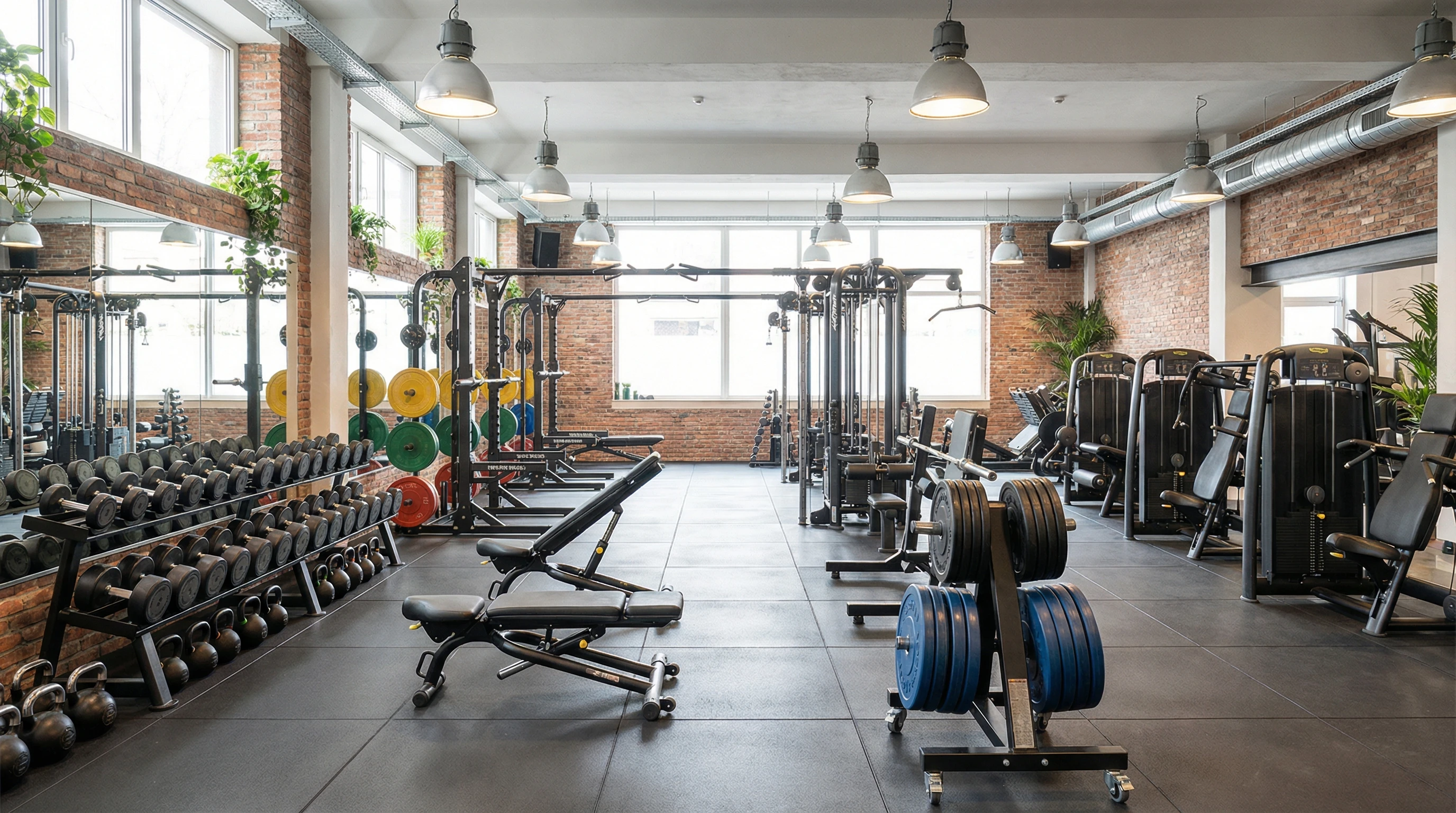
Why Strength Training for Adults Over 50 Really Pays Off
People in their 50s need more than basic cardio or some stretching. Muscle loss—called sarcopenia—really ramps up as the years add up, but regular strength training slows it down and makes daily life much easier. Lifting weights protects joints, keeps bones solid, and gives balance and mobility a boost, too. Best of all, it helps crank up metabolism, so staying lean gets a little less tough.
Aches, old injuries, or just a jam-packed life can make it tough. Even so, a couple of smart sessions each week can swap out that nagging stiffness and deliver fresh strength. The upside? Often better sleep, more confidence, and movement that feels a few years younger. Studies consistently find that adults who keep lifting as they age move better, feel sharper, and handle daily tasks—like hauling groceries or doing yard work—without breaking a sweat. Here’s a recent study on resistance training benefits if you want to check out the research.
Top 5 Strength Training Routines for People Over 50
I’ve checked out a load of routines, swapped tips with lifters, and gone down plenty of fitness rabbit holes. There’s no “one plan fits all” answer, but some approaches just work better for men and women over 50. Here are five styles to track down if you want strength, muscle, and a body that works—without getting totally burned out.
The “Big Lifts” Full Body Routine
This plan keeps it simple and delivers maximum results for your time. Big compound lifts—like squats, deadlifts, bench presses, and rows—hit a bunch of muscles at once. Do this routine two or three times per week and you’ll build muscle and boost functional strength without spending ages at the gym.
- Exercises: Squats (bodyweight, goblet, or barbell), bench press, deadlifts or Romanian deadlifts, overhead press, seated rows or lat pulldowns, pullups (assisted or not).
- How to do it: Go for 3–4 sets of 6–12 reps per exercise. Pick weights you can manage safely. Rest a minute or two between sets.
The best part? You only need a handful of sessions each week, and your bases are always covered. If you want to switch things up, swap in dumbbells or resistance bands once in a while.
Upper/Lower Body Split (2–3 Days/Week)
This routine splits workouts into separate upper and lower body days. It helps older folks because muscle groups get more recovery between workouts but you still rack up plenty of training through the week. Spreading things out reduces soreness and makes it easier to stick with it.
- Lower Body Day: Squats, lunges, leg press, calf raises, hip bridges.
- Upper Body Day: Bench press or dumbbell press, dumbbell or barbell rows, overhead press, lat pulldowns, bicep curls, triceps extensions.
- How to do it: Do 2–3 sets of 8–15 reps each move. As the years pass, I always put form and comfort ahead of chasing bigger numbers. Machines and cables are totally solid choices, especially for sensitive joints.
This split makes it easier to break up those longer sessions into shorter workouts you can squeeze into a busy week.
Functional Strength Circuit
Training only for looks misses the bigger picture. Functional routines mimic stuff you actually do in real life: picking up groceries, climbing stairs, or working in the yard. Circuits combine these moves with quick bursts of work and rest, delivering real strength and better stamina.
- Exercises: Goblet squats, dumbbell chest press, dumbbell rows, step-ups, overhead press, back extensions or supermans.
- How to do it: Run through each exercise for 45–60 seconds, rest 30 seconds between moves. Do 2–3 full circuits. Try this two or three times a week. You don’t need massive weights—just enough to feel spent by the end of the set.
This routine is my favorite when I’m short on time. It keeps me moving, gets the heart rate climbing, and never gets boring.
The 2-2-2 Method (High Efficiency)
For busy folks or those just starting out, the 2-2-2 approach is a solid pick. Here, efficiency beats endless sets. You hit the gym, train all your major muscle groups, then move on with your day.
- Principle: Two sessions per week, two full body workouts, two challenging sets for each exercise.
- How to do it: Pick 5–6 basic moves—like squats, presses, rows, pulldowns, and a core move. Lock in form, then push those two sets hard (but never at the expense of safety). This keeps the intensity up without crushing recovery.
If you get bored fast or have a tight schedule, the 2-2-2 method makes being consistent way easier.
Mobility & Strength Combo
Hitting 50 means your body really needs joint care. This routine weaves together classic strength moves, mobility work, and exercises that focus on little stabilizer muscles around the shoulders and hips. Think of it as an “insurance policy” to keep lifting safe for decades.
- Add-ons: Shoulder external rotations (with a light band or dumbbell), wrist roller or grip work, planks or side-planks, dynamic stretches, and foam rolling during warmups or cooldowns.
- How to do it: Tweak your workout by including 1–2 mobility or prehab moves after your main session. Some people like a 5–10 minute yoga flow, especially if they’re at a desk a lot.
Just sliding in a couple of these extras can make a big difference—especially if your balance or flexibility isn’t quite what it used to be.
Smart Training Tips for People Over 50
Getting stronger after 50 takes more than just hauling weights. It’s all about building habits that last. Here’s what I’ve found matters most, from both research and real life:
- Always Warm Up and Cool Down: Five to ten minutes on the treadmill, rower, or doing light cardio wake up your muscles. Some dynamic stretches wake up the joints. Stretching at the end isn’t just for flexibility—it also tones down next-day soreness.
- Good Form Beats Heavy Weights: When your brain tells you to stack on more plates, slow down and focus. Proper form dodges injuries. I like mirrors and videos for double-checking technique.
- Keep Making It Harder (Gradually): Small upgrades—raising the weight a little, doing more reps, shortening your rest by ten seconds—keep progress steady no matter how old you are.
- Recovery Is Non-Negotiable: Rest days = progress days. Older muscles take more time fixing themselves. If you skip recovery, you’ll feel wiped. Good sleep and having days for walking or just stretching help keep you in the game.
- Eat Protein for Muscle: A higher-protein diet is your secret weapon now. Aim for about 0.7 to 1 gram per pound of body weight daily. I find spreading the protein out works better than downing it all at dinner.
Common Challenges (and What Works for Me)
Even the best programs sometimes stall, especially in your 50s. Here are a few common speed bumps—and how to roll right over them.
Aches and Old Injuries
Pain or stiffness often turns up in shoulders, knees, or your back. Swapping in joint-friendly moves or starting new moves slowly keeps you in action. Sometimes, dumbbells, machines, or bands let you work harder without extra discomfort.
Busy Schedule
Morning workouts work best for me; as the day goes on, it’s easy for something else to get in the way. Even 30 minute full-body routines are solid if you cut out the distractions. Programs like the 2-2-2 make it much easier to keep at it, even if you skip a gym day once in a while.
Motivation Slumps
Sometimes, the weights just don’t call your name. Changing up routines, trying different rep ranges, or testing new equipment wakes things up. Training with a friend or keeping a quick progress log help a lot—seeing gains on paper can really fire you up.
Quick FAQ for People Over 50 Starting Strength Training
I get a lot of the same questions, so here are some quick answers to help get things rolling.
Q: How often should I strength train each week?
A: Two or three well-structured sessions are enough for most people. More than three and recovery can get tricky. Less than two, and gains slow down a lot.
Q: What if I can’t do classic barbell lifts?
A: Dumbbells, machines, and resistance bands all work. Focus on what feels comfortable and what you can control safely.
Q: Is it normal to feel sore after workouts?
A: A little soreness is expected as your body adapts. It shouldn’t feel like sharp pain; make changes if something really doesn’t feel right.
Q: Should I work with a personal trainer?
A: It’s worth considering, especially if you’re starting out or have tricky joints. Even a handful of sessions can lock in good form and habits.
Building Lifelong Strength After 50
Strength training after 50 really is a long game, not just a short sprint. Make compound moves your bread and butter, be smart about intensity and recovery, and add in mobility work to stay fit, active, and injury-free. Put in the time and a bit of patience, and you’ll keep smashing daily challenges with all the confidence that comes from a tougher, more resilient body.
If you’re totally new to lifting or returning after a break, start with lighter weights, pick up the basics, and pay attention to what your body tells you. The adventure is well worth every bit of effort!