Juggling family, work, and fitness after 50 can feel like steering through a three-way intersection during rush hour. I’ve found that building a routine is only part of the puzzle. Fitting everything together so it feels sustainable (and even enjoyable) takes some honest tweaks, a bit of technology, and the right outlook. Age definitely brings a few curveballs, but it also gives a lot of insight into what really matters. I’m here sharing my own experience and research-backed tips for making balance work for you, not against you.
Integrating Family, Work, and Fitness in Your Fifties
For many of us, life after 50 comes with changing work demands, shifting family dynamics, and a body that doesn’t always play by the same rules. Even with all this change, I truly believe you can find time and energy for fitness. You just need to be clever about how you fit it into the rest of your world.
The real trick is integration. Instead of setting aside separate hours for family, work, and exercise, I like finding ways to overlap them. Here are a few ways I keep all three balls in the air:
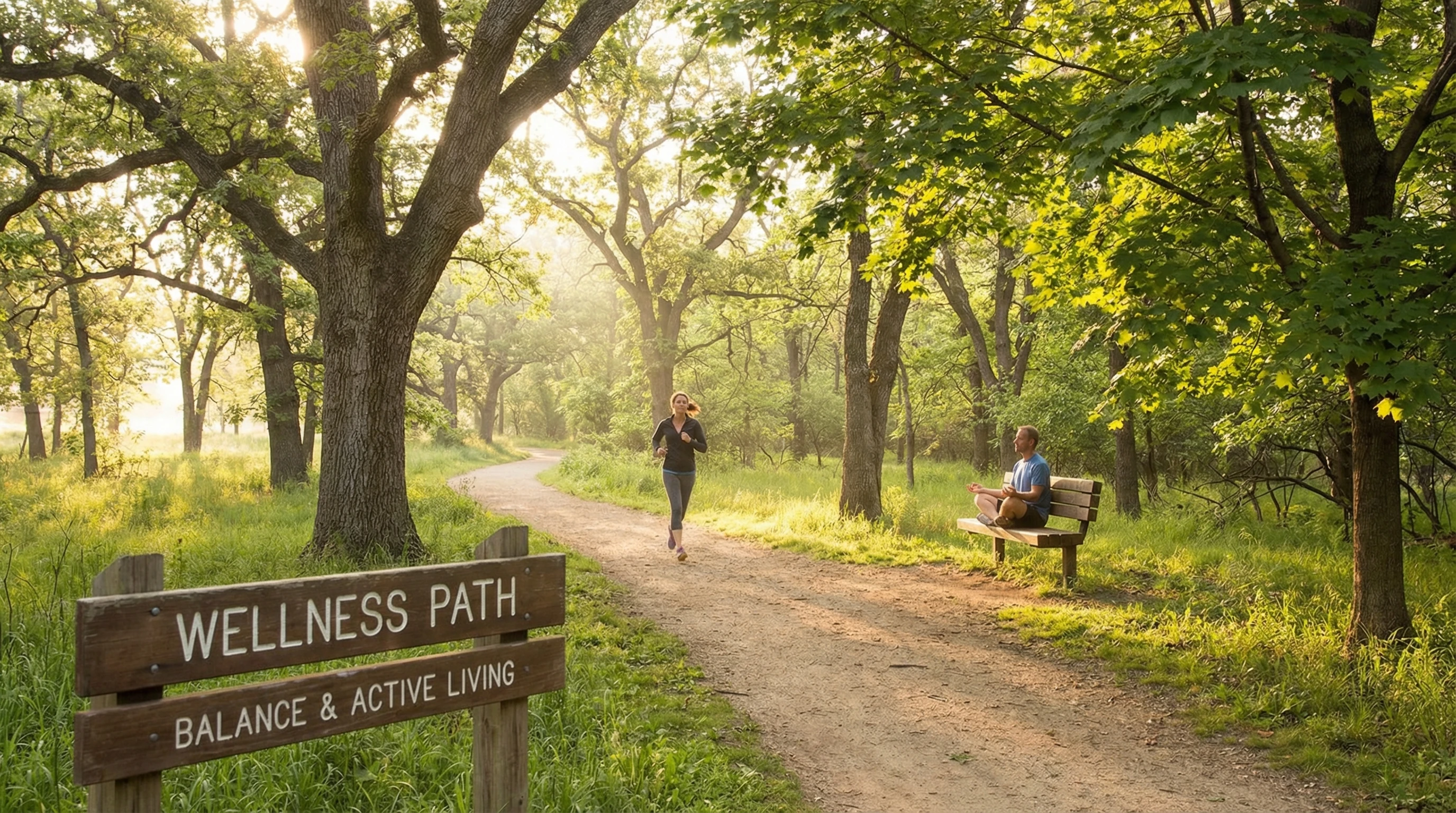
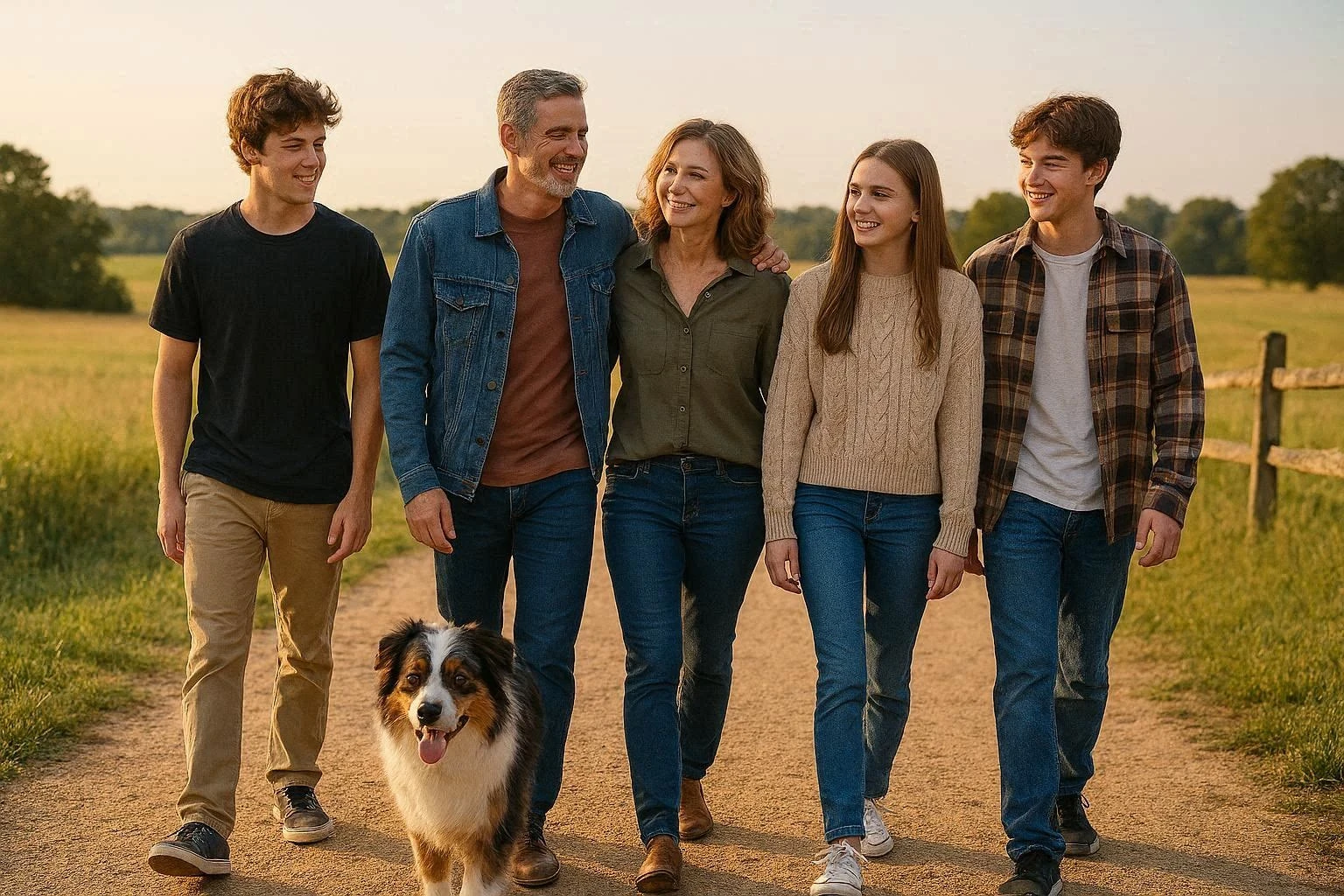
- Make movement a family thing: Pick activities that get everyone moving, like hiking, bike rides, or even a dance night in the living room. My family loves to try new walking trails together—it feels more like fun than exercise, and we all come back happier.
- Double up on productivity and physical activity: If I have a phone meeting, I’ll often take it while walking around the neighborhood. Not all work tasks can happen on the move, but a surprising number can.
- Mix chores and fitness: A quick burst of cleaning or gardening can help meet your activity goals. Plus, it gets tasks done quicker; a win-win.
Small swaps like these keep me active and bring my loved ones along for the ride. Fitness doesn’t have to take away from family time; it can turn into shared memories. Don’t overlook things like playing catch with grandkids in the yard or walking the dog together—sometimes the simplest movements are the easiest to incorporate and the most enjoyable.
If you’re working from home, think about using a standing desk or doing light stretches in between emails. These casual additions to your day not only keep you active but also break up the monotony of sitting for too long, which can be especially beneficial for posture and energy.
Strategies for Staying on Track
Even with the best intentions, routines get messy. I treat my workouts like any other non-movable appointment. If it’s on my calendar, it happens (most of the time!). Here are strategies that really help when the schedule feels packed:
- Set fitness appointments: I block out time for exercise like I would a work meeting or a doctor appointment. That simple mental switch goes a long way to getting me out the door.
- Find support: Everything is easier with a buddy. I’ll text a friend before a walk or head to a group fitness class where everyone’s rooting for each other. Accountability keeps motivation strong, even on days I’d rather be anywhere but exercising.
- Use technology for quick workouts: Fitness apps and YouTube video routines save time and keep things fresh. I like mixing things up with guided yoga one day and a HIIT video the next. There are even fitness trackers and smartwatches that encourage you to move more—those reminders can be surprisingly motivating.
- Talk, don’t assume: If my family or boss knows I’m working on balancing health and responsibilities, they’re usually supportive. I don’t promise to do it all; I promise to do my best. Open conversations make it easier to manage expectations and create space for what matters.
Realistically, there will be days when nothing goes according to plan. When that happens, I cut myself some slack and get back on track the next day. Consistency happens over weeks and months, not in one perfect week. Sometimes, writing things down in a planner or even keeping a simple journal helps me see my progress and adjust as I go.
Key Fitness Focus Areas After 50
The right workout mix changes as we age. Instead of chasing marathon sessions, I now focus on well-rounded routines: cardio for a healthy heart, strength to keep bones and muscles working right, and a mix of balance and flexibility training to avoid slips and keep moving comfortably.
- Cardio: Quick walks, swimming laps, or cycling around the block are all great ways to get your heart pumping. I aim for about 150 minutes a week, usually broken into five 30-minute sessions, but sometimes it’s just ten minutes at a time as I squeeze it in.
- Strength training: This is super important for protecting bones and joints. Twice a week, I’ll use light dumbbells, stretchy bands, or just my own body weight for exercises like squats or pushups. You don’t need a gym; just determination and maybe a YouTube tutorial.
- Balance and flexibility: Yoga, Tai Chi, or simple balance moves (like standing on one foot while brushing your teeth) all help lower the risk of falls. I mix these into my week, even as quick five-minute stretches during commercial breaks.
- Recovery and listening: Rest days are not lazy days; they’re necessary. If my knees or back are talking to me, I skip high-impact stuff and stretch or do a slower-paced walk.
This balanced approach keeps me feeling good; and most importantly, helps me keep up with everything (and everyone) else on my calendar. It might be helpful to consult a doctor or fitness expert to get advice about exercise types suitable to your stage in life, especially if you are managing health conditions.
Also, don’t underestimate the importance of stretching before and after physical activities. This can help tone down soreness and boost flexibility, making your next session that much easier. Keeping water handy and staying hydrated is key, too, especially during summer and after especially active days.
Mindset Shifts That Make It Sustainable
Sticking with a wellness routine gets easier once I focus less on dramatic changes and more on building small, repeatable habits. My best advice here is to make it enjoyable and think long-term:
- Small steps go a long way: On days when time or energy is short, I’ll just do ten minutes of whatever I can. Anything beats nothing. Over time, that adds up and builds confidence.
- Pick activities you genuinely enjoy: If you hate running, try brisk walking, swimming, or dancing. If you like company, try a team sport or class. Fun is a really underrated motivator.
- Celebrate consistency, not just intensity: Doing something regularly builds momentum (and confidence) that lasts a lot longer than one heroic gym session. I keep it simple and aim not to skip two days in a row.
- Focus on the big picture: Staying active means I have more energy for everything—family adventures, challenging projects at work, and just plain feeling good in my skin.
This approach also works well for those new to exercise or getting back after a break. It doesn’t need to be complicated to be effective. Remember: your mindset can be your biggest ally. Give yourself permission to try, to stumble, and to stand up and keep going. Learning to enjoy the journey is the real win.
Common Challenges and How to Work Around Them
Life after 50 definitely comes with unique hurdles. I hear a lot—and have experienced myself—a few common roadblocks:
- Time crunch: Short, frequent bouts of activity (like ten to fifteen minutes at a time) made it much easier for me to fit movement into a hectic day. Even walking during a lunch break helps.
- Energy dips: Good sleep, smart nutrition (think: protein, lots of veggies, and plenty of water), and using exercise as a natural energy booster all help me get out of the afternoon slump.
- New aches and injuries: Paying close attention to pain, working with a healthcare provider when needed, and being willing to adapt exercises makes a big difference here. There are always options for staying active that are kind to the joints.
- Lack of motivation: Keeping a log, joining a challenge, or simply rewarding myself for consistency keeps me pushing forward when my internal cheerleader gets quiet.
There’s no one size fits all solution, so it helps to try a few different strategies. The main thing is not giving up if one approach isn’t working. Something else might click. And don’t forget, setbacks are part of the process. It’s about adjusting and staying positive rather than striving for perfection every week.
FAQs: Your Questions Answered
How do I get started if it’s been years since I last exercised?
Start slowly; try five to ten minutes at a time. Walking and gentle stretching are great places to begin. As it gets easier, add more time and variety. Always ask a doctor before starting something new if you have medical issues.
Is it really possible to balance work, family, and fitness after 50?
It’s often a work in progress, but yes—it’s absolutely doable. Instead of aiming for perfection, shoot for progress. Integrating movement into routines, asking for support, and giving myself permission to adapt along the way has made a big difference.
What if my family isn’t interested in being active?
Sometimes leading by example is the best approach. Invite, but don’t pressure. Showing enthusiasm and sharing positive outcomes (like more energy or better mood) can inspire others over time.
How important is recovery as I get older?
It’s really important. Recovery allows your body to repair and get stronger. Don’t skip rest days or ignore soreness that doesn’t go away. Smart rest helps keep injuries at bay and keeps you coming back for more.
Final Thoughts
Balancing family, work, and fitness after 50 isn’t about striking a perfect equilibrium every single day. Rather, it’s about weaving together active habits, protecting time for yourself, and making adjustments as life changes. Mixing fitness into family time, scheduling movement like you would any meeting, and embracing small, manageable steps can all add up to feeling healthier, more energized, and better able to enjoy whatever comes next. The tools are right in front of you; it’s just about finding the rhythm that works for you and taking it one day at a time. Remember, wherever you are now is a great place to start.
This is one of the cleanest and uncluttered sites I’ve seen in a while. Well done.
The information on fitness over 50 is on point and focused properly. The information you provided is very usefull for this age bracket. I’m sure you have many more ideas coming to add to the site. The logo is awesome and you have a great start to a wonderful site.
I was glad to see the appropriate disclosures at the bottom too.
Thank you very much for your comments. I’m glad your comments indicate I’m on the right track with my site. My next step is to continue creating content in order to start attracting visitors so that I can start down the affiliate marketing track.