
If you’ve ever tried starting a fitness routine and bailed after a few weeks, you’re definitely not alone. Getting exercise to stick can feel like an uphill battle, especially when life gets busy or motivation runs low. I’ve learned that building a fitness habit that works in the long run is more about consistency and small wins than going all out right away. Here’s my favorite approach to keeping fitness part of your life for good.
Why Consistency Matters More Than Intensity
The truth is, the exercise routine that sticks is the one you actually do, even if it’s just a tiny bit at first. I’ve had my share of “new year, new me” plans that fizzled out after a few weeks of heavy lifting or intense spin classes. But once I started making exercise so easy it was almost automatic, things changed. It’s not about pushing your body to its limits every day. I found that low key, simple movement wins the long game.
- Start Small: Pick one thing that feels almost too easy. For example, I started with ten bodyweight squats in the morning before coffee and a 10 minute stroll after dinner. Once this feels like a regular part of life, leveling up gets a lot easier.
- Habit Stacking: Attaching new habits to things you already do is super useful. I do calf raises while brushing my teeth and a quick yoga flow right after my morning shower. These little cues make movement happen without a debate.
- Schedule Movement: I add my workouts to my calendar like any other appointment. Laying out my shoes and resistance bands the night before also takes away excuses in the morning.
Core Types of Exercise That Support Lifelong Health
Anyone who wants to live long and feel good should aim for a balanced mix of different movement types, not just cardio or just strength. Here’s what helps your body stay strong, mobile, and resilient as the years go by:
- Aerobic Exercise: Stuff like brisk walking, cycling, swimming, or even gardening all count. The National Institute on Aging suggests at least 150 minutes of moderate activity every week. Breaking this into 20 to 30 minute sessions throughout the week makes it less daunting; sometimes I get mine just by walking to a café and back.
- Strength Training: Bodyweight moves, resistance bands, or free weights all work. Target every major muscle set at least twice a week. It keeps muscles from wasting away and really supports bone health. Even if you’re just doing pushups against the kitchen counter, it pays off.
- Flexibility and Balance: Gentle stretches, yoga, and tai chi keep your joints limber. I sneak in a few basic stretches while watching TV or take five minutes to do a balance drill after lunch.
It’s also helpful to pay attention to how your body feels after different activities. Notice which movements leave you energized, which feel like work, and what might need a bit of adjustment. This kind of self awareness can lead to tiny changes that make your routine feel better overall. Over time, you’ll track down the best blend of activities for both enjoyment and benefits.
Making Your Fitness Habit Sustainable For Life
Keeping the habit alive means making exercise enjoyable and built in, not just another thing on your to do list. Here’s how I keep it feeling fresh and doable year after year:
- Mix It Up: Doing the same moves every day is a recipe for burnout or soreness. Feel free to swap between dancing in my living room, hiking on weekends, or dropping in to different group classes. Some days are about stretching, others are power walk days; it all adds up.
- Reframe Your Approach: Thinking of movement as just part of your lifestyle, rather than a structured requirement, lowers the pressure. Walking the dog, gardening, or taking the stairs totally count. Small, frequent bits really add up over time.
- Find Your People: Adding a buddy to the mix or joining a class is a huge motivator. You could text a friend to meet for a park walk and then end up chatting the whole time; the exercise feels less like a chore.
- Prioritize Rest: Taking at least one or two recovery days every week (plus getting 7 to 9 hours of sleep most nights) helps energy bounce back and avoids injuries. Sometimes rest is the best way to come back stronger.
The CDC and resources like HelpGuide and the Mayo Clinic have more tips if you want to jump into what counts as balanced exercise and how to keep things safe as you build new habits.
Common Barriers and How I Get Around Them
Fitness habits can run into real world roadblocks. I’ve faced them all, from being wiped out after work to just straight up losing interest. Here’s what I do when things get off track:
- Lack of Time: Even the busiest days have a few pockets of time for micro-workouts. You may just squeeze in squats during a screen break or choose stairs over elevators. Ten minutes is better than nothing!
- Motivation Dips: I keep a list of all the reasons I value movement (like “more energy at work” or “better mood”) on my phone. Reading a few on low days reminds me why it’s worth doing the bare minimum, if nothing else.
- Setbacks: Everyone skips days or weeks now and then. If I take a break, I restart with the smallest step possible. The trick is not beating myself up. Just get moving again, no matter how tiny the effort.
- Overdoing It: Early enthusiasm can make overtraining tempting. Feel free to remind yourself that easy days are just as important and that soreness or burnout never make for a routine that lasts.
Busy Schedules
When my calendar is full, I block off just ten minutes after lunch or in the evening for easy movement. Dance breaks, short home routines, or “walk and talk” phone calls with friends help me sneak in more steps without upending my to do list.
Finding Enjoyable Activities
Trying out different movement styles kept me interested in sticking with it. Don’t feel locked into one routine; experiment with new fitness classes, outdoor sports, or YouTube workouts. It’s ok to quit what you don’t like and lean into what keeps you coming back.
Tracking Progress (Without Obsessing)
Logging steps with my phone or jotting down each workout helps me notice my streaks and look back on progress. Still, I avoid getting too caught up in numbers. The goal is to feel better and stronger, not chase perfection.
Eye-Catching Habits to Keep You Interested
Once daily movement feels normal, these add ons can help you stay challenged and inspired:
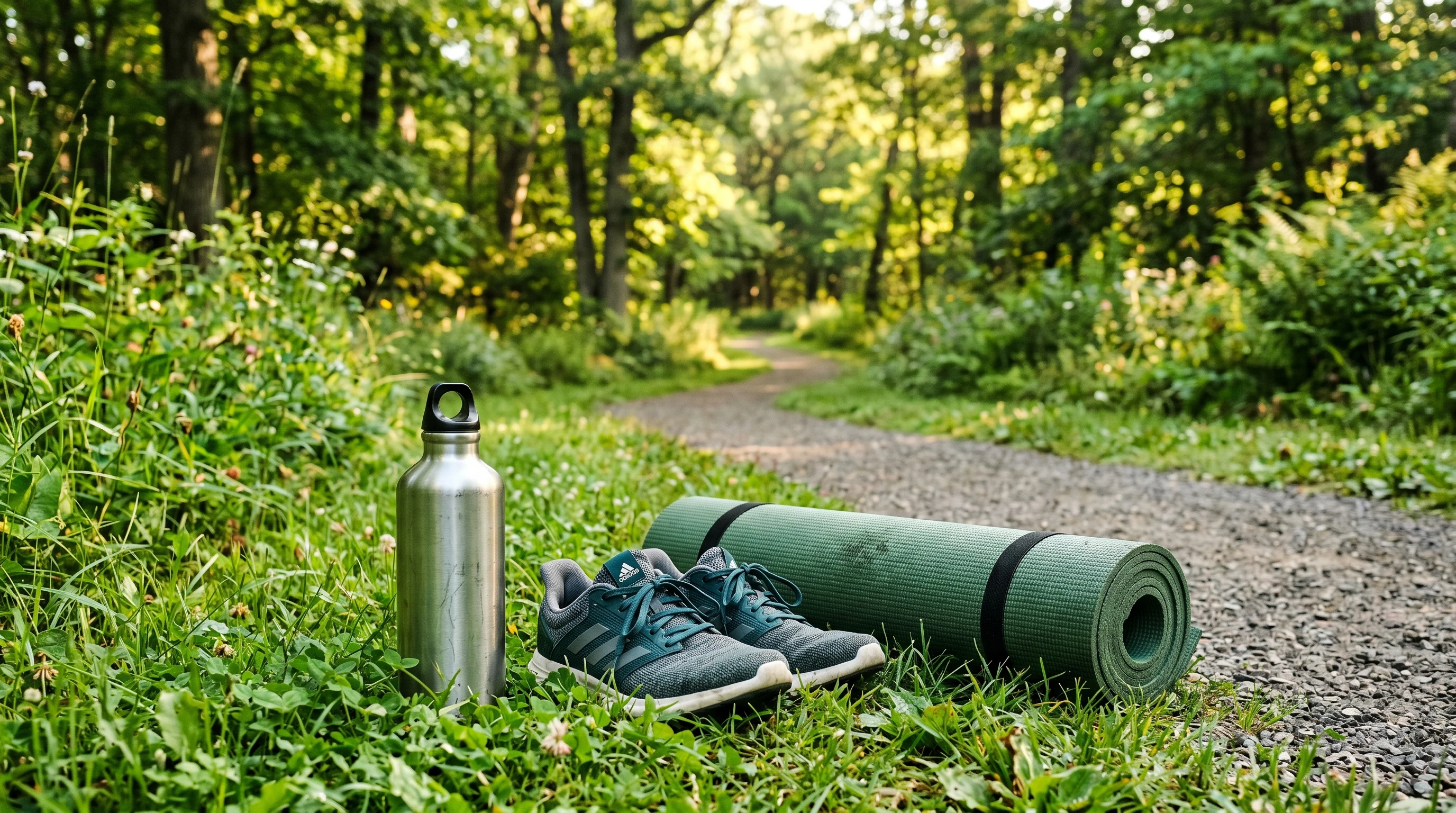
Make Your Environments Support Movement: Put your foam roller or yoga mat in a place you’ll see it. Try keeping resistance bands in your backpack or car for a quick stretch anytime you’re waiting around.
Reward Yourself For Showing Up: I like to treat myself to a new playlist, a favorite smoothie, or a new workout shirt when I hit small milestones. These mini rewards keep the habit feeling fun.
Give “Movement Snacks” a Shot: I break up the workday with 2 to 3 minute stretches or squats between meetings. It keeps my energy up and helps with body aches from sitting.
Small celebrations and tiny routines like these can make a big difference over the months and years. For example, joining a challenge with friends or trying out a new stretch every week can give you something new to look forward to. Switching up your routine every once in a while is a smart way to stay motivated and spot areas for improvement.
FAQs on Building a Sustainable Fitness Habit
Q: How do I start working out if I never have?
A: Pick something short and easy, like a neighborhood walk or five minutes of stretching. The smaller and more repeatable, the better; this way, you’re more likely to do it every day.
Q: How important is strength training if I’m older?
A: Super important! Even gentle resistance builds muscle and keeps bones healthy as you age, which means more freedom and fewer aches as the years go on.
Q: How do I prevent exercise from feeling boring or like a chore?
A: Switching up activities and inviting friends makes it way more fun. Explore new music, classes, or outdoor spaces to keep it fresh.
Q: What’s the best way to get back into fitness after missing a few weeks?
A: Go easy on yourself. Just restart with something light and manageable. Focus on rebuilding the habit first before worrying about progress.
Bottom Line
Building a lasting fitness habit isn’t about maxing out every session or sprinting toward some imaginary finish line. Small, steady steps; stacked onto things you’re already doing; make long term health feel doable instead of overwhelming. Adding movement to your everyday is one of the best gifts you can give yourself, and it really pays off for years to come. Remember, the key is showing up, even on tough days, and letting those small actions add up to big changes over time.