
Staying motivated to strength train after 50 isn’t just about chasing a six-pack or squeezing into skinny jeans. For me, it’s all about keeping up with what I love, whether it’s traveling, gardening, or keeping up with the kids. Switching from focusing only on aesthetics to embracing movement for the long haul keeps the spark alive. Strength training becomes less of a chore and more like a toolkit for enjoying life on my own terms.
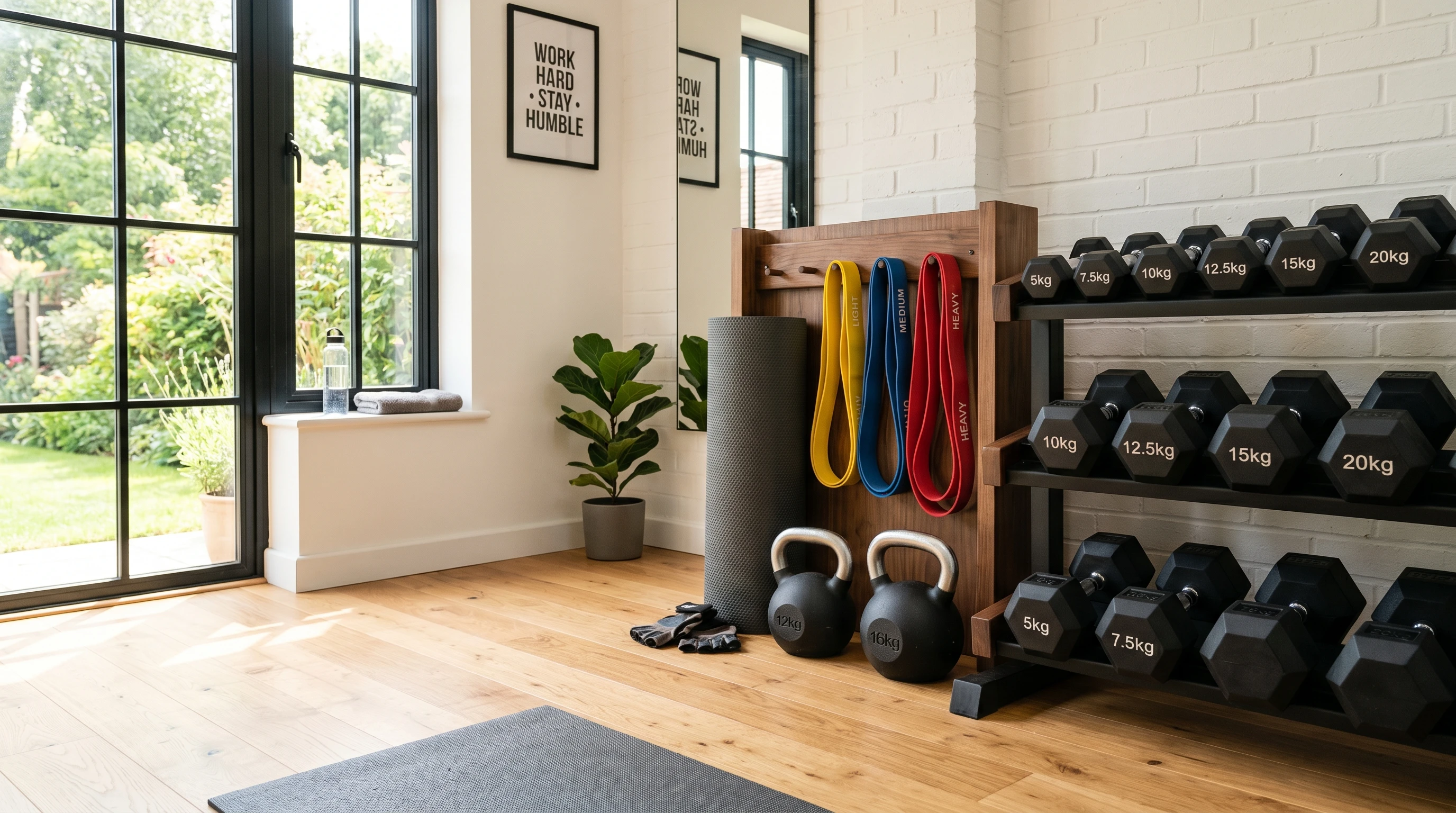
Switching Your Motivation: Why Train After 50?
After hitting 50, I started thinking more about how exercise affects my future. Instead of worrying about mirror results, my focus switched up to what I could actually do. Strength training supports independence, keeps joints supported, and even helps with everyday things like standing up from a chair or hauling groceries up the stairs.
A big motivation for me is preserving bone density and muscle mass, which naturally fall off as we age. Staying strong means fewer aches and a lower chance of falls. Plus, I get a real kick knowing that strength work makes travel less tiring and lets me keep up on family hikes. Research from the CDC backs up this idea, tying regular strength training to better health outcomes for older adults. That sort of info is pretty motivating; adding years to your life and life to your years is a win-win.
Quick, Manageable Routines: The Power of “Strength Snacks”
Fitting in a full-length workout isn’t always in the cards. Sometimes my schedule gets away from me or energy isn’t where it used to be. That’s where I find “strength snacks” really handy. Instead of blocking out an hour, I sneak in mini-sessions, like a quick set of squats while waiting for the kettle, some wall pushups during a commercial break, or a quick walk with light hand weights.
Short bursts make it way easier to keep a streak going and help workouts feel less overwhelming. A 2021 study in the Journal of Sport and Health Science found that frequent mini-sessions can be just as effective, especially for functional strength. Knowing this keeps me motivated to keep moving without letting perfectionism stall the process.
Celebrating Every Victory: Tracking Real-Life Improvements
It’s really easy to get discouraged if progress only means heavier dumbbells or a smaller waist. To stay motivated, I like to track the small stuff that matters most, like realizing I’m less winded on the stairs, can pick up a child with confidence, or haul groceries in one trip instead of two.
Everyday mobility improvements are worth their weight in gold. I keep a simple journal and jot down functional wins and how I feel each week. It keeps me looking forward and reminds me that every lift, squat, or stretch is adding up to something really meaningful. These “non-scale victories” are super important for long-term motivation since they connect training to a better, more empowered daily life.
Making Strength a Non-negotiable: Scheduling Your Workouts
Relying on pure willpower can be hit or miss, as on too many days something “better” pops up. To keep strength training consistent, I treat it like any important appointment. I put it in my calendar just like a dental checkup or coffee catchup with a friend. I usually aim for two or three sessions a week since that gives my muscles time to recover and keeps the routine realistic.
Blocking out time for movement, even if it’s just 20 minutes, makes following through much more likely. Using digital reminders or old-school sticky notes really helps. And if I ever miss a session, I don’t beat myself up over it. The goal is consistency over the long haul, not perfection.
Keeping Joints Happy: Safe Strength Training Over 50
Once I hit my fifties, joint comfort became a real consideration. I used to go harder, but nowadays, I’m more focused on safe forms of strength work. I prefer starting with resistance bands or bodyweight moves, as they are joint-friendly but surprisingly effective. If anything feels “off”, I switch it up or consult a professional before pushing through discomfort.
Resources like the Stanford Lifestyle Medicine Blueprint offer practical tips for exercising safely as you age. Paying attention to form, doing full-body warmups, and not skipping cool-downs are all on my must-do list. Protecting my joints means I’m always ready for the next session and it guarantees strength training is something I can enjoy for the long term.
My Favorite Joint-friendly Moves:
- Wall Squats: Support your back and build leg strength without strain.
- Resistance Band Rows: Strengthen back and arms using low-impact bands.
- Seated Leg Extensions: Keep knees happy while building quads.
Building Accountability: Strength in Community
It’s a whole lot easier to show up when I know someone’s expecting me. Finding a workout buddy or joining a class geared towards older adults builds a sense of community and keeps motivation fresh. In my area, there are options like the Sherwood Regional Family YMCA, which offers group fitness for adults over 50. Gyms and studios around town are also rolling out classes specifically for “masters athletes” and those getting back to fitness after some time away.
There’s something really motivating about being around others on a similar path. Whether it’s a group class or a neighborhood walking group, this kind of support makes working out feel social instead of solitary. Sharing wins and swapping tips goes a long way to making it fun. Plus, being part of a community helps you stay accountable and it’s one of the best ways to stick with your goals long term. Hearing other people’s stories and cheering each other on brings an extra boost of energy, making every session something to look forward to.
Troubleshooting the Motivation Slump
Even with all the tips and best intentions, sometimes motivation tanks. When that happens for me, I try mixing up workouts to bust boredom or set a fresh, achievable goal, like ten push-ups or carrying in all the groceries at once. Sometimes it’s all about creating a new playlist or treating myself to fresh gear. The important thing is not letting a tough week spiral into giving up. Progress isn’t always linear, and breaks are normal.
Other Ideas for Getting Back on Track:
- Try a workout video you’ve never done before.
- Set up a rewards system, like coffee with a friend after your session.
- Commit to moving for just five minutes and see if that momentum carries you further.
- Create a vision board or list of why you want to stay strong; seeing your goals in writing keeps you grounded during a slump.
- Consider reaching out to a coach or joining an online community for new workouts and inspiration; having a fresh outlook always helps.
Frequently Asked Questions
Question: Do I need special equipment to start strength training after 50?
Answer: Not at all. You can start with your own bodyweight, such as squats, wall push-ups, and planks. Resistance bands and light dumbbells are also great for adding challenge without stressing your joints. Comfort and good form matter more than flashy gear.
Question: How do I know if I’m doing the exercises safely?
Answer: If you’re new or have any medical considerations, it’s a good idea to check in with a physical therapist, personal trainer, or your healthcare provider. Focus on slow, controlled movements and use mirrors (or video) to check your form. Pain (not to be confused with mild muscle fatigue) is a sign to stop and re-assess.
Question: What if I miss a workout session?
Answer: Life happens. The key is to return without guilt. If you miss one, just get back to it at your next scheduled time. Consistency over months is what really moves the needle, not perfection day to day.
Building Lifelong Habits
Making strength training a part of daily life after 50 is all about staying connected to your deeper “why”. Focus on functional wins, such as independence, comfort, and the things you love doing most. Short, regular strength snacks, celebrating everyday victories, and connecting with others who share your goals keep you motivated for the long term. Before you know it, strength training feels less like a task and more like a habit that keeps life running smoothly, no matter your age. Keep reminding yourself of the benefits and enjoy every moment as you get stronger. You’ll find that the gains go way beyond muscles – they show up in your confidence, your energy, and every adventure you decide to take on.
This was such a refreshing read. I really appreciate how you approached motivation from a realistic place instead of relying on hype or quick fixes. Strength training after 50 comes with its own rhythm — slower recovery, shifting hormones, and the need for more intentional rest — and you explained that in a way that feels empowering rather than discouraging.
Your tips about setting smaller, achievable goals and focusing on consistency over intensity really resonated. It’s so true that progress at this stage is more about steady habits than dramatic leaps. I also loved the reminder to track wins beyond the scale — better balance, more energy, improved mood. Those are the things that keep people going long‑term. This is the kind of guidance that actually helps people stay committed.
Thank you very much Kiersti for your comments. It can be a struggle to keep going, and I often have to switch things up to keep myself engaged – sometimes it’s one step forward, two steps back but the point is to not give up